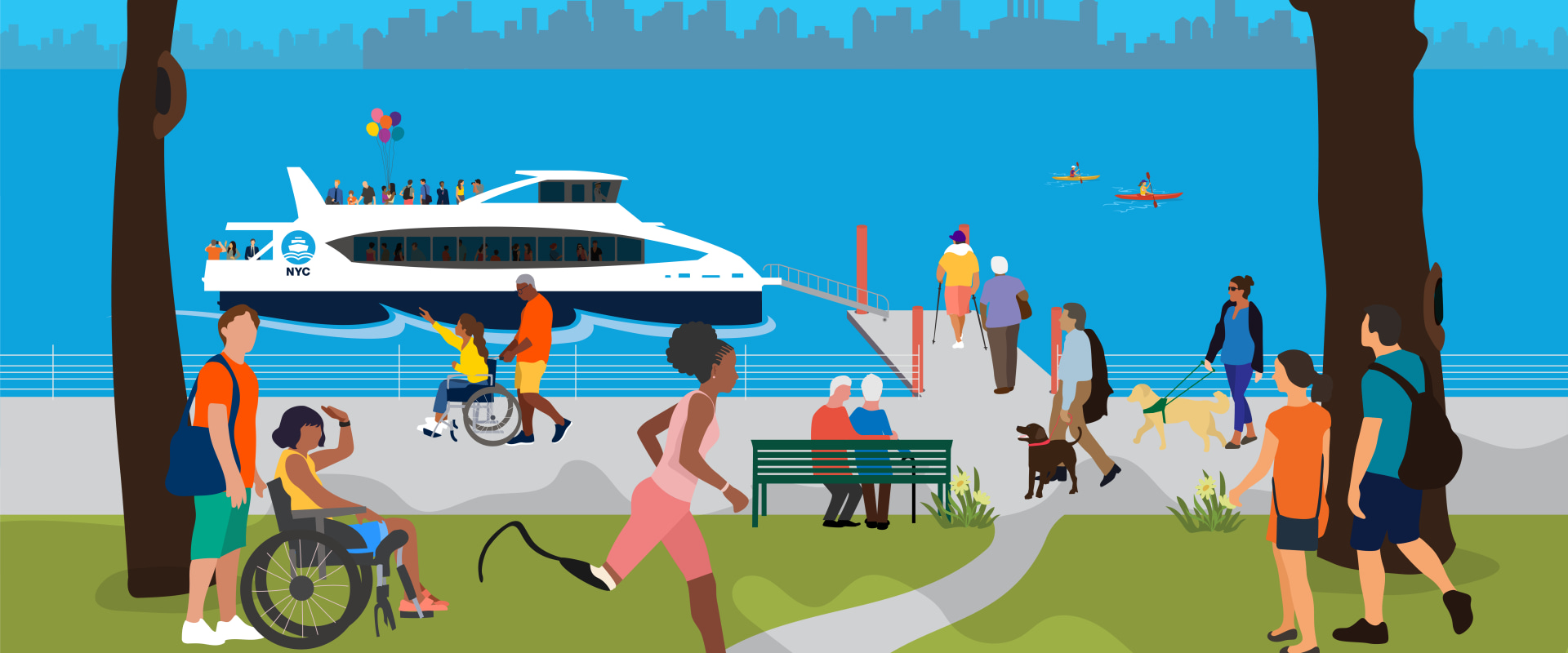
Ferry travel offers a unique and scenic way to explore coastal regions, islands, and waterways, making it an appealing option for many travelers. However, for individuals with disabilities, the accessibility of these vessels can significantly impact their travel experience. Understanding the importance of accessibility in ferry travel is crucial, as it ensures that everyone, regardless of their physical limitations, can enjoy the freedom and adventure that comes with exploring new destinations. Many ferry operators are increasingly recognizing the need to accommodate passengers with disabilities. This includes providing accessible boarding options, designated seating areas, and assistance from staff members.
By prioritizing accessibility, ferry services not only comply with legal requirements but also enhance the overall travel experience for individuals with disabilities. This commitment to inclusivity allows travelers to embark on journeys that might have previously seemed daunting or impossible. As we delve deeper into the procedures for traveling with disabilities on a ferry, it is essential to understand the various resources available to assist in planning your trip. From pre-boarding arrangements to onboard amenities, knowing what to expect can alleviate stress and ensure a smoother journey. Whether you are a seasoned traveler or embarking on your first ferry ride, being informed about ferry travel accessibility will empower you to make the most of your adventure.
Planning Your Ferry Trip
Planning a ferry trip can be an exciting yet challenging experience, especially for travelers with disabilities.To ensure a smooth journey, it’s essential to take specific steps that cater to your needs.
Research Accessible Ferry Services
- Start by identifying ferry operators that offer accessible services. Many companies provide detailed information on their websites regarding the accommodations available for passengers with disabilities.
- Look for features such as wheelchair ramps, accessible restrooms, and designated seating areas. Some ferries may also offer assistance for boarding and disembarking.
- Contact the ferry service directly to ask about their accessibility options. This can help clarify any uncertainties and ensure that your specific needs are met.
- Consider your personal requirements when planning your trip.
For instance, if you use a wheelchair, ensure that the ferry can accommodate it comfortably.
- If you have a service animal, check the ferry's policy on pets and service animals to avoid any surprises on the day of travel.
- Plan for any additional assistance you might need during the journey, such as help with luggage or navigating the terminal.
- Arrive early at the terminal to allow ample time for boarding and any necessary assistance. This can help reduce stress and ensure a more relaxed experience.
- Consider traveling during off-peak hours when ferries are less crowded. This can make it easier to navigate the terminal and find seating on board.
- Pack essential items such as medications, mobility aids, and any other necessary supplies in an easily accessible bag.
Booking Your Ferry Tickets
When planning your ferry travel, booking your tickets in advance is crucial, especially for travelers with disabilities. Many ferry operators offer accessible ticketing options that cater specifically to the needs of passengers requiring assistance.To begin the booking process, visit the ferry operator's official website or contact their customer service directly.Look for sections dedicated to accessibility, which often provide detailed information on how to book tickets that accommodate various disabilities.
Accessible Ticketing Options
- Online Booking: Most ferry companies allow you to book tickets online. Ensure that you select options for accessible seating or cabins if available.
- Phone Reservations: If you prefer a more personalized approach, calling the ferry operator can help clarify any specific needs and ensure that your requirements are met.
- In-Person Purchases: If you are near the ferry terminal, visiting in person can also be beneficial. Staff can assist you in selecting the best options for your travel needs.
Disability Discounts
Many ferry services offer discounts for travelers with disabilities. These discounts can significantly reduce the cost of your journey.When booking, inquire about:
- Discounted Fares: Some operators provide reduced rates for passengers with disabilities and their companions.
- Free or Discounted Assistance: Services such as boarding assistance or wheelchair rentals may be available at no extra cost or at a reduced rate.
Arriving at the Ferry Terminal
Arriving at the ferry terminal can be a smooth experience for travelers with disabilities, provided you are aware of the available accessibility features and parking options. Most modern ferry terminals are designed to accommodate passengers with various needs, ensuring that everyone can enjoy their journey.Accessibility Features
- Wheelchair Ramps: Most terminals have ramps that provide easy access to the boarding area. These ramps are typically equipped with non-slip surfaces to enhance safety.
- Elevators: If the terminal has multiple levels, elevators are available to assist passengers who may have difficulty using stairs.
- Accessible Restrooms: Look for restrooms specifically designed for individuals with disabilities, which offer more space and support bars.
- Seating Areas: Designated seating areas are often available for passengers with disabilities, ensuring comfort while waiting for boarding.
Parking for Disabled Passengers
When arriving at the ferry terminal, it’s essential to know where to park.
Most terminals provide designated parking spaces for disabled passengers, which are usually located close to the entrance. Here are some tips regarding parking:
- Identification: Ensure you have a valid disabled parking permit displayed in your vehicle to utilize these spaces.
- Availability: Arrive early to secure a spot, especially during peak travel times when spaces may fill up quickly.
- Assistance Services: If you require help from staff upon arrival, don’t hesitate to ask. Many terminals have personnel available to assist with parking and boarding.
Boarding the Ferry: Step-by-Step Procedure
Traveling by ferry can be a smooth experience for individuals with disabilities when proper procedures are followed. Here’s a step-by-step guide to help you navigate the boarding process effectively.- Plan Ahead: Before your trip, check the ferry operator's website for information on accessibility features.
Look for details on boarding procedures, available assistance, and any specific accommodations that may be offered.
- Contact the Ferry Operator: Reach out to the ferry company in advance to inform them of your needs. This can include requesting assistance with boarding or inquiring about accessible seating options.
- Arrive Early: On the day of travel, arrive at the terminal early. This allows ample time for any necessary arrangements and reduces stress during the boarding process.
- Check-In Process: Upon arrival, proceed to the designated check-in area. Inform the staff of your disability and any assistance you may require.
Many ferry operators have specific protocols in place to assist passengers with disabilities.
- Boarding Assistance: When it’s time to board, look for staff members who are trained to assist passengers with disabilities. They can help you navigate ramps or lifts and ensure a safe boarding experience.
- Use Designated Access Points: Follow the signs for accessible boarding areas. These points are designed to accommodate individuals with mobility challenges, ensuring a smoother transition onto the ferry.
- Seating Arrangements: Once onboard, locate accessible seating areas. If you need help finding a suitable spot, don’t hesitate to ask crew members for assistance.
Onboard Amenities and Services for Disabled Passengers
Traveling by ferry can be a delightful experience, especially when the vessel is equipped with amenities and services for disabled passengers.Ferries are increasingly designed to accommodate individuals with various disabilities, ensuring that everyone can enjoy a comfortable journey.
Accessible Seating
- Designated Accessible Areas: Most ferries offer designated seating areas that are specifically designed for passengers with mobility challenges. These areas are typically located near entrances and exits for easy access.
- Adjustable Seating: Some ferries provide adjustable seating options that can be modified to suit individual needs, allowing for greater comfort during the trip.
Onboard Services
- Assistance from Crew Members: Trained staff members are available to assist passengers with disabilities, whether it’s helping them board the ferry or providing support during the journey.
- Accessible Restrooms: Ferries are equipped with accessible restrooms that feature grab bars and ample space for maneuverability, ensuring that all passengers can use the facilities comfortably.
- Visual and Auditory Aids: Many ferries offer visual displays and auditory announcements to assist passengers with hearing or vision impairments, keeping them informed about important information throughout the journey.
Additional Amenities
- Wheelchair Rentals: Some ferry services provide wheelchair rentals at no additional cost, making it easier for passengers who may not have their own mobility devices.
- Pet Accommodations: For those traveling with service animals, ferries typically have policies in place to accommodate these essential companions.
Disembarking from the Ferry: What to Expect
Disembarking from a ferry can be a smooth experience for travelers with disabilities, provided they are aware of the procedures and available assistance. Upon arrival at the destination, it is essential to follow specific steps to ensure a safe and comfortable exit from the vessel.Preparation Before Arrival
- Before the ferry approaches the dock, listen for announcements regarding disembarking procedures.
Crew members will often provide instructions tailored for passengers with disabilities.
- If you require assistance, notify the crew in advance or as soon as you board the ferry. This allows them to prepare for your needs upon arrival.
Disembarking Procedures
- As the ferry docks, remain seated until instructed to disembark. This helps maintain order and ensures that those needing assistance can exit first.
- When it is your turn to leave, crew members will be available to assist you. They may offer support with mobility devices or help guide you to accessible exits.
Assistance After Arrival
- Once you have disembarked, look for designated areas where additional assistance is provided.
Many ferry terminals have staff trained to help travelers with disabilities navigate through the terminal.
- If you need transportation from the terminal, inquire about accessible options such as shuttles or taxis that accommodate wheelchairs and other mobility aids.
Frequently Asked Questions about Ferry Travel for Disabled Passengers
Traveling by ferry can be a rewarding experience for disabled passengers, but it often comes with specific questions and concerns. Here are some frequently asked questions that can help clarify the process and ensure a smooth journey.What accommodations are available for disabled passengers on ferries?
Most ferry operators are committed to accessibility and provide various accommodations, including:- Accessible boarding: Many ferries have ramps or lifts to assist passengers in boarding and disembarking.
- Designated seating: There are usually reserved seating areas for passengers with disabilities, ensuring comfort during the journey.
- Restroom facilities: Accessible restrooms are typically available on board, equipped to meet the needs of disabled travelers.
Do I need to inform the ferry operator about my disability?
It is advisable to inform the ferry operator in advance about your specific needs. This allows them to make necessary arrangements, such as providing assistance during boarding or ensuring that accessible seating is available.Most operators have a dedicated customer service line for inquiries related to accessibility.
Can I bring my mobility aid on board?
Yes, you can bring mobility aids such as wheelchairs, scooters, or walkers on board. However, it’s important to check with the ferry operator regarding any size or weight restrictions. Some ferries may have designated storage areas for larger mobility devices.What if I need assistance during the trip?
If you require assistance during your ferry journey, don’t hesitate to ask the crew members. They are trained to help passengers with disabilities and can provide support as needed throughout the trip.Are there any additional fees for disabled passengers?
Most ferry operators do not charge extra fees for disabled passengers or their mobility aids.However, it’s best to confirm this with the specific operator when booking your ticket.By addressing these common concerns, disabled travelers can feel more confident and prepared for their ferry travel experience.
Conclusion: Key Takeaways for Accessible Ferry Travel
Traveling by ferry can be a rewarding experience, especially for those with disabilities. However, it requires careful planning and understanding of the procedures involved to ensure a smooth journey. Here are the key takeaways to keep in mind:- Research Accessibility Features: Before booking your ferry, investigate the accessibility features offered by the ferry service. Many ferries provide ramps, designated seating, and accessible restrooms, but these amenities can vary significantly between operators.
- Book in Advance: It’s advisable to make your reservations well in advance.
This not only secures your spot but also allows you to inform the ferry company of any specific needs you may have, such as wheelchair assistance or special seating arrangements.
- Arrive Early: On the day of travel, arrive at the terminal early. This gives you ample time to navigate any potential challenges and ensures that staff can assist you as needed.
- Communicate Your Needs: Don’t hesitate to communicate your requirements to the ferry staff. They are trained to assist passengers with disabilities and can provide valuable support throughout your journey.
- Know Your Rights: Familiarize yourself with your rights as a traveler with disabilities. The Americans with Disabilities Act (ADA) mandates that public transportation services, including ferries, must be accessible to individuals with disabilities.
By understanding the procedures and advocating for your needs, you can enjoy a seamless travel experience that allows you to explore new destinations without barriers.