Ferry travel has become an increasingly popular mode of transportation, especially in regions where water bodies separate communities or tourist destinations. Whether you are commuting to work, exploring scenic coastlines, or embarking on a vacation, ferries offer a unique experience that combines convenience with the beauty of the open water. Unlike traditional forms of transport, ferry rides provide passengers with stunning views and a chance to relax while crossing rivers, lakes, or seas.The duration of a ferry ride can vary significantly based on several factors. These include the distance between ports, the type of ferry service (such as high-speed versus conventional), and environmental conditions like weather and tides.
For instance, a short hop across a bay might take just 15 minutes, while longer journeys can last several hours. Understanding these variables is essential for planning your trip effectively.As you consider ferry travel, it’s also important to keep in mind some practical tips to enhance your experience. Arriving early can help you secure a good spot and avoid last-minute stress. Additionally, checking the schedule in advance will ensure you are aware of any potential delays or changes in service.
With the right preparation, your ferry journey can be not just a means of getting from point A to point B, but an enjoyable part of your travel adventure.
Typical Duration of Ferry Rides
When planning your ferry travel, understanding the typical duration of ferry rides is essential for scheduling and making the most of your journey. The length of a ferry ride can vary significantly based on several factors, including the type of ferry, the specific route, and the distance between ports.On average, a ferry trip can last anywhere from 30 minutes to several hours. For instance, short-distance ferries that operate between nearby islands or across rivers typically take about 30 minutes to 1 hour. These quick trips are perfect for day-trippers looking to explore nearby destinations.In contrast, longer ferry routes, such as those connecting mainland cities to remote islands or across larger bodies of water, can take significantly longer.These journeys often range from 2 to 6 hours , depending on the distance and the speed of the vessel. For example, ferries traveling from Seattle to Bainbridge Island usually take around 35 minutes , while those crossing the English Channel can take up to 2 hours .
High-speed ferries
, which are designed for faster travel, can reduce travel time considerably. These vessels often operate on popular routes and can cut down the duration to as little as 15 to 30 minutes. However, they may not be available on all routes.It's also important to consider factors such as weather conditions and seasonal schedules, which can affect ferry travel time.During peak tourist seasons or adverse weather conditions, delays may occur, extending the overall duration of your trip.In summary, while the average ferry trip length varies widely based on route and vessel type, being aware of these durations can help you plan your itinerary more effectively and enjoy a smoother travel experience.
Factors Influencing Ferry Ride Duration
When planning your ferry travel, it's essential to understand the various factors that can influence the duration of your ride. Here are some key elements to consider:- Distance: The most obvious factor affecting ferry ride duration is the distance between the departure and arrival points. Longer routes naturally take more time to traverse.
- Ferry Speed: Different ferries operate at varying speeds, typically ranging from 10 to 30 knots. High-speed ferries can significantly reduce travel time, while traditional ferries may take longer due to their slower pace.
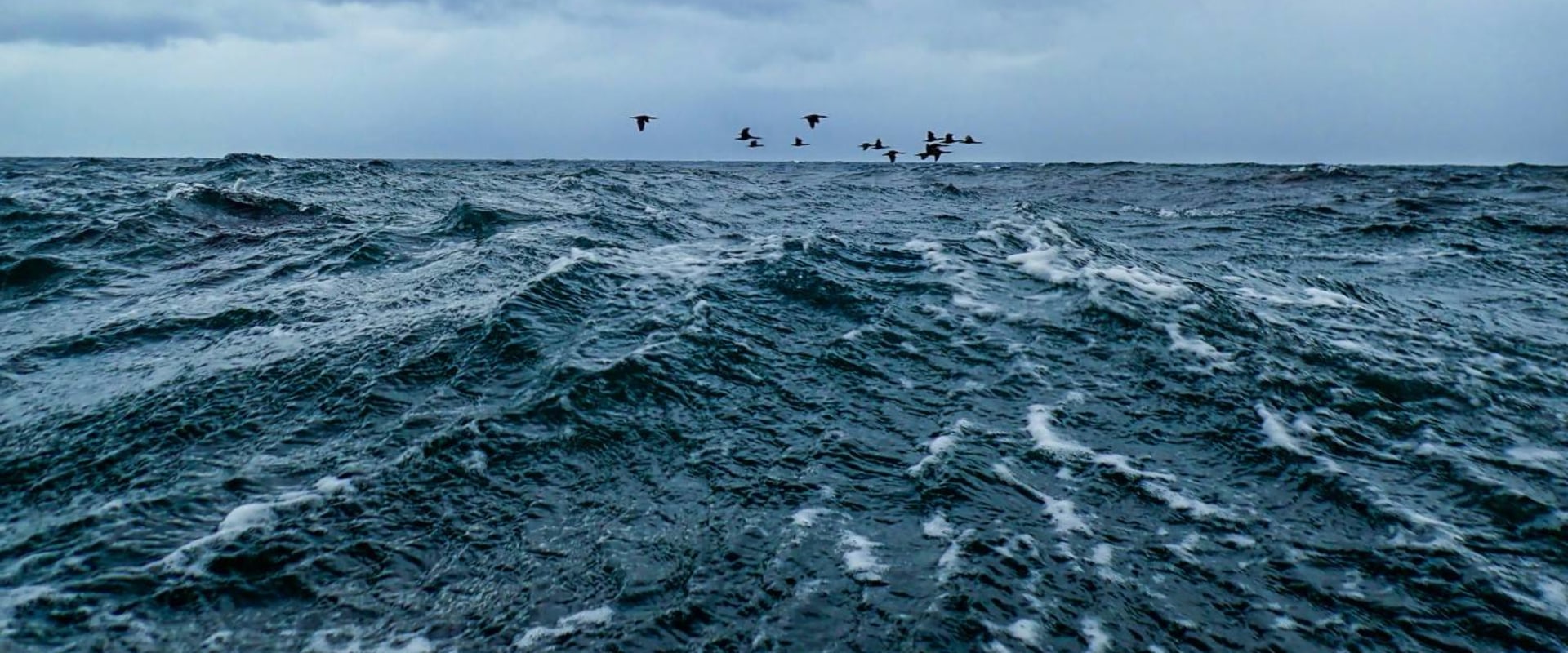
- Weather Conditions: Weather plays a crucial role in ferry travel.
Rough seas, high winds, and fog can all lead to delays or extended travel times as ferries may need to slow down for safety reasons. It's advisable to check weather forecasts before your trip.
- Port Traffic: The amount of traffic at both the departure and arrival ports can also impact ferry ride duration. Busy ports may experience delays due to loading and unloading procedures, as well as waiting for a berth to become available.
Types of Ferries and Their Average Travel Times
When it comes to ferry travel, understanding the different types of ferries and their average travel times can significantly enhance your journey.Ferries are categorized based on their purpose and the services they offer, which directly influences their travel durations.
Passenger Ferries
Passenger ferries are designed primarily for transporting people. These vessels typically operate on shorter routes, making them ideal for quick trips across bodies of water. On average, a passenger ferry ride can last anywhere from 30 minutes to 2 hours, depending on the distance and the specific route.Car Ferries
Car ferries, also known as vehicle ferries, accommodate both passengers and vehicles. These ferries are essential for connecting islands or crossing large bodies of water where bridges are not feasible.The average travel time for car ferries ranges from 1 hour to 3 hours, with some longer routes taking up to 6 hours.
Fast Ferries vs. Slow Ferries
The speed of a ferry can greatly affect travel time. Fast ferries , often equipped with hydrofoils or catamaran designs, can reach speeds of up to 40 knots. These vessels can reduce travel times significantly, with some routes taking as little as 15 minutes to 1 hour.In contrast, slow ferries , which may be larger and more stable, typically operate at lower speeds and can take longer to complete the same journey.In summary, the type of ferry you choose will influence your overall travel experience. Whether you opt for a speedy passenger ferry or a leisurely car ferry, knowing the average travel times can help you plan your trip more effectively.
Popular Ferry Routes and Their Durations
When it comes to ferry travel in the United States, several routes stand out for their scenic views and convenient connections. Here are some of the most popular ferry routes along with their typical durations:- Seattle to Bainbridge Island: This iconic route takes approximately 35 minutes. Passengers can enjoy stunning views of the Seattle skyline and the Olympic Mountains.
- San Francisco to Sausalito: A favorite among tourists, this ferry ride lasts about 30 minutes.
Travelers are treated to breathtaking views of the Golden Gate Bridge and Alcatraz Island.
- New York City to Staten Island: Known as the Staten Island Ferry, this route is free and takes around 25 minutes. It offers a fantastic perspective of the Statue of Liberty and the Manhattan skyline.
- Boston to Provincetown: This seasonal ferry ride lasts about 90 minutes. It’s a popular choice for those looking to explore Cape Cod, especially during the summer months.
- Washington State Ferries (Anacortes to San Juan Islands): This route varies in duration depending on the specific island destination, typically ranging from 1 hour to 1.5 hours. It’s a great way to experience the natural beauty of the Pacific Northwest.
Whether you’re commuting or exploring, each journey presents an opportunity to enjoy the beauty of the surrounding landscapes.
Tips for Planning Your Ferry Trip
Planning a ferry trip can be an exciting yet daunting task, especially if it’s your first time. Here are some essential tips to ensure a smooth and enjoyable experience.- Check the Schedule: Before you embark on your journey, it’s crucial to check the ferry schedules. Most ferry operators provide online timetables that detail departure and arrival times. Keep in mind that schedules can vary based on the season, so always verify closer to your travel date.
- Book Your Tickets in Advance: To avoid disappointment, especially during peak travel seasons, consider booking your tickets ahead of time.
Many ferry services allow online reservations, which can save you time and guarantee your spot.
- Arrive Early: It’s advisable to arrive at the terminal at least 30 minutes before departure. This gives you ample time to check in, board the ferry, and find a good seat. Some terminals may require even more time during busy periods.
- Know the Amenities: Familiarize yourself with the amenities offered on board. Many ferries provide comfortable seating, food options, and even entertainment.
Knowing what to expect can enhance your travel experience.
- Prepare for Weather Conditions: Ferry rides can be affected by weather conditions. Check the forecast and dress accordingly. If you’re prone to seasickness, consider bringing medication or remedies just in case.
- Pack Smart: Bring along essentials such as snacks, water, and entertainment for the journey. If you’re traveling with children, consider packing games or activities to keep them engaged during the ride.
Whether you’re crossing a bay or heading to an island getaway, being prepared will make all the difference in your overall experience.
Frequently Asked Questions About Ferry Travel
When planning your ferry travel, you may have several questions regarding the experience. Here are some of the most frequently asked questions that can help ease your concerns and enhance your journey.How long does a typical ferry ride last?
The duration of a ferry ride can vary significantly based on the route and type of ferry. Generally, short-distance ferries can take anywhere from 30 minutes to 2 hours, while longer routes may last from 2 to 8 hours. Some international ferries, especially those crossing larger bodies of water, can even take up to 24 hours.What should I bring on a ferry?
When preparing for your ferry travel, consider bringing:- Comfortable clothing: Dress in layers as temperatures can vary.
- Snacks and drinks: While many ferries offer onboard dining, having your own refreshments can be convenient.
- Entertainment: Books, games, or electronic devices can help pass the time during longer rides.
- Sunscreen and hats: If you plan to be on deck, protect yourself from the sun.
Are ferries pet-friendly?
Many ferries allow pets, but policies vary by company.It's essential to check in advance if your furry friend can join you. Some ferries may require pets to be in carriers or designated areas, while others might allow them on deck.
What if I get seasick?
If you're prone to motion sickness, consider taking precautions before your trip. Over-the-counter medications, ginger candies, or acupressure wristbands can help alleviate symptoms. Additionally, try to stay on deck and focus on the horizon for better stability.By addressing these common concerns about ferry travel, you can ensure a smoother and more enjoyable experience on the water.Always check with your ferry operator for specific details related to your journey.
Conclusion: Key Takeaways on Ferry Travel Duration
In summary, understanding the duration of ferry travel is essential for planning your journey effectively. The length of a ferry ride can vary significantly based on several factors, including:- Distance: The most straightforward factor affecting travel time is the distance between the departure and arrival points. Shorter routes may take as little as 30 minutes, while longer journeys can extend to several hours.
- Type of Ferry: Different types of ferries, such as high-speed catamarans or traditional ferries, can also influence ride duration. High-speed options typically offer quicker crossings.
- Weather Conditions: Adverse weather can lead to delays or longer travel times.
It's always wise to check forecasts before embarking on your trip.
- Port Traffic: Busy ports may experience delays due to loading and unloading procedures, which can add to the overall travel time.
- Schedule Variability: Ferry schedules can change based on the season or demand, so it's important to verify timings ahead of your trip.