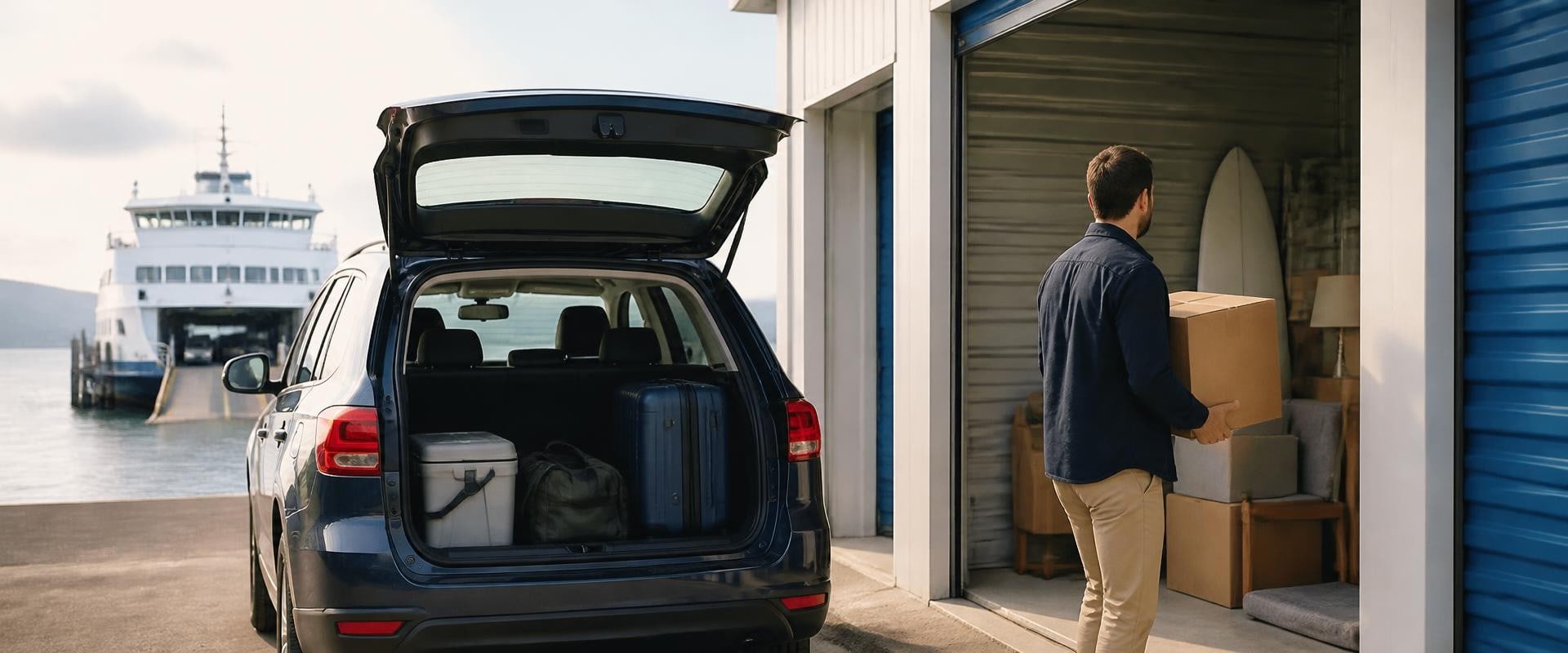
Preparing for a long ferry trip often involves more than simply booking tickets and packing a suitcase. Travelers may need to organize vehicles, luggage, accommodations, schedules, and personal belongings before departure. When a trip lasts several days, weeks, or even months, taking every possession along may be unnecessary and inconvenient. Self storage can provide a practical way to separate essential travel items from belongings that are better left behind. Furniture, seasonal decorations, hobby equipment, extra clothing, and household supplies can remain in a dedicated space until the traveler returns. This can make the home easier to organize before departure while reducing the amount of luggage that needs to be transported through ferry terminals.
Reducing the Amount of Luggage
Ferry operators may have specific rules regarding passenger luggage, vehicle dimensions, oversized items, and restricted cargo. Even when generous baggage allowances are available, carrying excessive belongings can make boarding and disembarking more difficult. Travelers using cars or vans may also want to avoid filling their vehicles with unnecessary possessions, particularly if space will be needed for passengers or essential supplies. Placing nonessential items in a secure unit allows travelers to focus on bringing only what will actually be useful during the journey. Those making last-minute arrangements may be able to rent now and quickly create additional space before departure, depending on the availability and policies of local facilities.
Protecting Belongings While Away
Leaving possessions unattended at home during an extended trip can sometimes create concerns, especially for people moving between residences or temporarily staying elsewhere. A storage facility may offer a more organized environment for items that do not need to remain in the house. When comparing facilities, travelers should consider security features such as controlled entry, surveillance, lighting, fencing, and individual unit locks. Climate-controlled units may also be worth considering for belongings that are sensitive to temperature or humidity, including certain electronics, documents, wooden furniture, artwork, and textiles. Choosing an appropriate unit based on the type of possessions being stored can help reduce the risk of unnecessary deterioration.
Making Home Organization Easier
Long trips often provide a convenient opportunity to declutter. Before placing anything into temporary space, travelers can sort belongings into categories such as keep, donate, sell, discard, and take along. This process can reveal items that have not been used for years and do not need to occupy valuable space. For people preparing to relocate after their ferry journey, organizing belongings beforehand can make the eventual move considerably easier. Clearly labeled boxes and a written inventory can help ensure that items remain easy to locate when they are needed again.
Providing Flexibility During a Relocation
Self storage can be particularly useful when ferry travel is part of a larger move. The new property may not be ready when the traveler departs, or there may be a gap between leaving one residence and moving into another. Temporary space creates flexibility by providing a place for furniture and household belongings during the transition. Instead of coordinating every item around a strict travel schedule, people can move possessions gradually and retrieve them once permanent arrangements are finalized.
Supporting a More Relaxed Journey
A long ferry trip can be more enjoyable when travelers are not constantly managing excessive baggage or worrying about belongings left in unsuitable locations. By organizing possessions in advance, keeping valuables and necessities nearby, and placing nonessential items in an appropriate facility, travelers can simplify both departure and return. Self storage is not necessary for every journey, but it can be especially helpful for extended trips, relocations, seasonal travel, and situations involving limited space. With thoughtful preparation, travelers can focus more on the journey ahead while knowing their extra belongings are organized and ready for retrieval when they return.