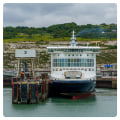
Extended ferry trips offer travelers an opportunity to explore coastal destinations, visit islands, and transport vehicles across waterways. However, planning longer journeys often involves managing luggage, personal belongings, and equipment that may not be necessary throughout the trip. Unlike short ferry crossings, extended travel arrangements require careful consideration of available space, transportation restrictions, and the security of valuable possessions. Storage units provide a practical solution for travelers who need temporary space for belongings they prefer not to carry. By incorporating storage arrangements into their travel plans, individuals can enjoy greater convenience, organization, and flexibility throughout their journeys.
Reducing Excess Luggage and Transportation Challenges
One major advantage of using storage units before extended ferry trips is reducing the amount of luggage travelers need to transport. Ferry operators may impose restrictions on baggage dimensions, vehicle loads, and certain types of cargo, making it important to pack efficiently.
Travelers carrying recreational equipment, seasonal clothing, or unnecessary household possessions may find it inconvenient to bring everything aboard. Renting a storage unit allows them to separate essential travel items from belongings that can remain safely stored.
This approach makes loading and unloading easier while reducing unnecessary complications at ferry terminals. Travelers can also organize their luggage more effectively, ensuring frequently used items remain accessible during the journey.
Providing Convenient Storage for Vehicles and Equipment
Extended ferry journeys sometimes involve travelers leaving vehicles, bicycles, camping equipment, or recreational gear behind while visiting multiple destinations. Finding appropriate parking or equipment storage arrangements can become challenging, particularly during longer vacations.
Facilities such as Ample Storage may provide practical options for storing suitable belongings and equipment before departure, depending on available unit sizes and facility policies. Travelers should confirm whether vehicle storage or specialized equipment storage is permitted before making arrangements.
Keeping unnecessary items in designated storage spaces can help travelers avoid carrying bulky equipment between accommodations, ferry terminals, and tourist destinations.
Protecting Personal Belongings During Travel
Security is another important consideration when planning extended ferry trips. Carrying expensive electronics, important possessions, or delicate equipment throughout a journey may increase the possibility of accidental damage or loss.
Storage units with appropriate security features can provide an alternative location for belongings that travelers do not need immediately. Choosing facilities with controlled access, surveillance systems, and suitable environmental conditions may offer additional protection.
Proper packing also remains important. Protective covers, sturdy containers, and moisture-resistant packaging can help maintain the condition of stored belongings, especially in coastal environments where humidity may be a concern.
Supporting Flexible Travel Schedules
Ferry travel schedules can change because of weather conditions, operational adjustments, or unexpected delays. Travelers planning extended journeys may also decide to spend additional time exploring certain destinations.
Temporary storage arrangements provide flexibility by allowing belongings to remain in one location while travelers adjust their itineraries. This convenience is particularly useful for individuals combining ferry journeys with road trips, island excursions, or extended vacations.
Creating a More Convenient Ferry Travel Experience
Using storage units when planning extended ferry trips can improve luggage management, protect possessions, and accommodate changing travel arrangements. Travelers benefit from having a designated space for belongings that are unnecessary during their journeys.
By selecting appropriate storage facilities, reviewing ferry baggage policies, and organizing essential travel items, individuals can minimize logistical complications. Ultimately, thoughtful storage planning supports a more comfortable, efficient, and enjoyable ferry travel experience.