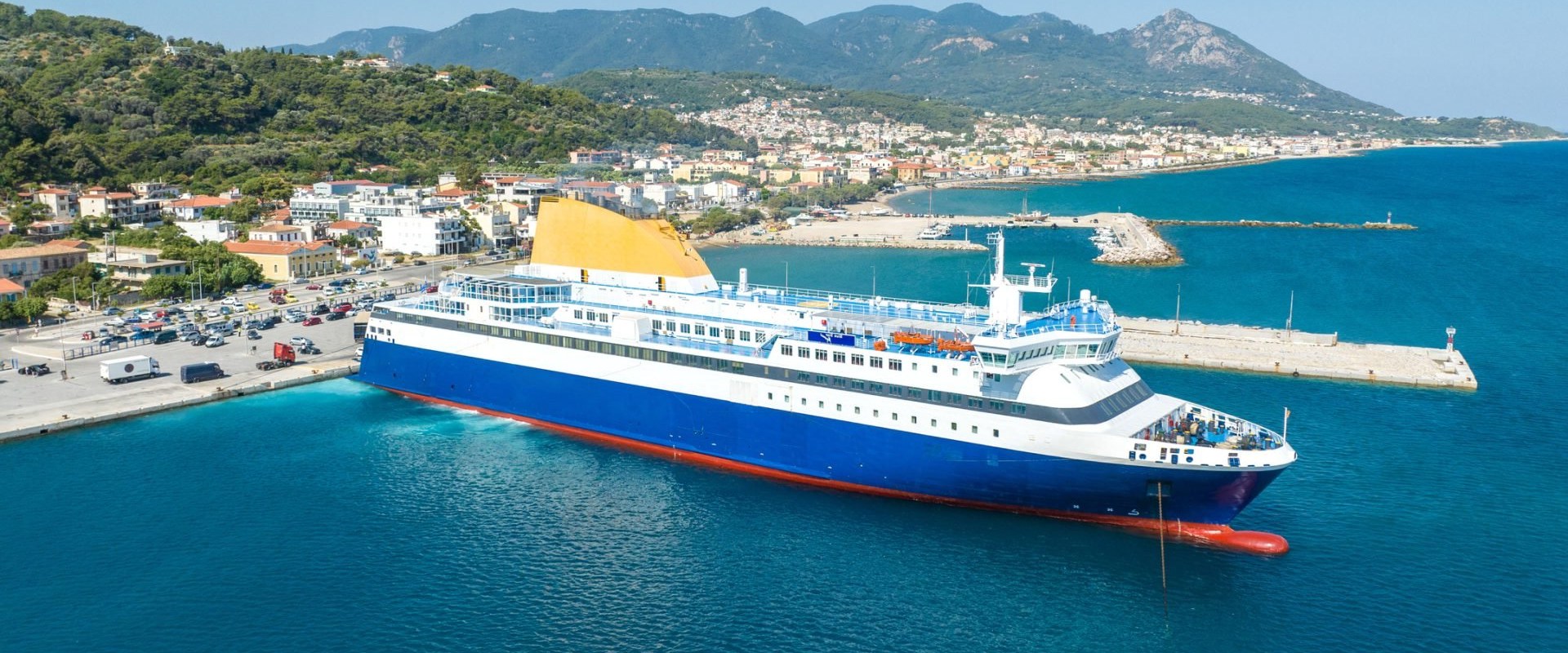
Ferry travel is an increasingly popular mode of transportation that offers a unique blend of adventure and convenience. Unlike traditional forms of travel, ferries provide a scenic route across bodies of water, allowing passengers to enjoy breathtaking views while comfortably reaching their destinations. Whether you are commuting to work, exploring new cities, or embarking on a vacation, ferry travel presents an experience that is both enjoyable and practical. One of the key benefits of ferry travel is its ability to connect remote locations that may not be easily accessible by road or air. Ferries can transport passengers and vehicles alike, making them an ideal choice for families or groups traveling together.
Additionally, many ferry services offer amenities such as onboard dining and entertainment, enhancing the overall travel experience. This combination of accessibility and comfort makes ferry trips a favored option for both locals and tourists. As we delve deeper into the topic, it’s essential to consider the timing of your ferry journey. The best time of year to take a ferry trip can significantly impact your experience, from weather conditions to crowd levels. Understanding the nuances of ferry travel will help you make informed decisions about when to embark on your next adventure across the waves.
Factors Influencing Ferry Travel Timing
When planning a ferry trip, several factors can significantly influence the timing of your journey.Understanding these elements can help you choose the best time for your ferry travel experience.
Weather Conditions
The weather is one of the most critical factors affecting ferry travel. Calm seas and clear skies make for a pleasant journey, while storms and high winds can lead to cancellations or delays. Generally, late spring through early fall offers the most favorable weather conditions for ferry trips. However, it’s essential to check local forecasts and seasonal patterns specific to your destination.Peak Travel Seasons
Ferry services often experience peak seasons during summer months and holidays when families and tourists flock to coastal destinations.Traveling during these times can mean crowded ferries and higher prices. If you prefer a more relaxed experience, consider planning your trip during the shoulder seasons—late spring or early fall—when crowds are thinner, and prices may be lower.
Local Events and Festivals
Local events can also impact ferry travel timing. Many coastal towns host festivals, concerts, or cultural events that attract visitors. While these events can enhance your travel experience, they may also lead to increased demand for ferry services.Researching local calendars can help you avoid busy periods or allow you to plan your trip around exciting happenings.
Traveling with Pets
If you're considering taking your pet on a ferry, be aware that some companies have specific policies regarding pet travel. Certain times of the year may have more restrictions or limited availability for pet-friendly accommodations on ferries. Always check in advance to ensure a smooth journey for both you and your furry friend.In summary, the best time for ferry trips depends on various factors including weather conditions, peak travel seasons, local events, and specific needs like traveling with pets. By considering these elements, you can make informed decisions that enhance your overall ferry travel experience.Spring: A Fresh Start for Ferry Adventures
Spring is a magical time for ferry travel, offering a unique blend of mild weather, blooming landscapes, and fewer crowds.As the chill of winter fades, travelers can enjoy the beauty of nature awakening, making it an ideal season for ferry adventures.One of the primary advantages of taking a ferry trip in spring is the pleasant weather. With temperatures gradually rising, passengers can bask in the sun while enjoying stunning views of coastlines and islands. The gentle breeze and clear skies create a perfect backdrop for photography enthusiasts and nature lovers alike.Additionally, spring ferry trips often mean fewer crowds. Many families wait until summer to embark on vacations, allowing spring travelers to enjoy a more peaceful experience.
This means shorter lines, less crowded decks, and a more intimate atmosphere on board.
Spring Travel Tips
- Book Early: While spring may not be as busy as summer, popular routes can still fill up quickly. Booking your tickets in advance ensures you secure your preferred travel dates.
- Pack Layers: Spring weather can be unpredictable. Bring layers to stay comfortable as temperatures fluctuate throughout the day.
- Check Schedules: Some ferry services may operate on reduced schedules during the spring months. Always check ahead to avoid any surprises.
- Explore Local Events: Many coastal towns host spring festivals or events.
Research local happenings to enhance your ferry trip experience.
Summer: The Peak Season for Ferry Travel
Summer is widely regarded as the peak season for ferry travel, attracting travelers eager to explore coastal destinations and scenic waterways. With longer days and warmer weather, this season offers a unique opportunity to experience the beauty of nature while enjoying the convenience of ferry services.One of the most popular routes during summer is the New York City to Staten Island ferry, which provides stunning views of the Statue of Liberty and the Manhattan skyline. Similarly, the Washington State Ferries offer breathtaking journeys through the San Juan Islands, making it a favorite among both locals and tourists.Activities Available During Summer Ferry Trips
- Island Hopping: Many ferry routes connect to beautiful islands, perfect for day trips filled with hiking, beach lounging, or exploring quaint towns.
- Wildlife Watching: Summer is an excellent time for spotting marine life, including dolphins and whales, especially on routes like those in Alaska.
- Cultural Events: Many coastal towns host summer festivals and events that are easily accessible via ferry, providing a rich cultural experience.
The demand during this peak season can lead to sold-out ferries, especially on weekends and holidays. Additionally, arriving early at the terminal can help you secure a good spot on deck for those picturesque views.In summary, summer offers an unparalleled experience for ferry travel, with vibrant activities and stunning scenery. By planning ahead and taking advantage of popular routes, you can make the most of your summer adventure on the water.
Autumn: A Scenic Journey on the Water
As summer fades and the crisp air of autumn sets in, ferry travel transforms into a picturesque experience that many travelers cherish. The fall season offers a unique opportunity to witness nature's vibrant palette, making it an ideal time for a ferry trip.Benefits of Autumn Ferry Trips
- Stunning Fall Foliage: One of the most compelling reasons to embark on a ferry journey in autumn is the breathtaking scenery.
As trees don their fiery reds, oranges, and yellows, the views from the water become even more spectacular. Whether you’re sailing through coastal waters or across lakes, the backdrop of colorful leaves creates a stunning visual feast.
- Fewer Tourists: Autumn typically sees a decline in tourist numbers compared to the bustling summer months. This means you can enjoy a more peaceful and intimate experience on board. With fewer crowds, you can take your time soaking in the views and capturing those perfect photographs without the hustle and bustle.
- Cooler Temperatures: The cooler weather of fall makes for comfortable travel conditions.
You can enjoy the fresh air on deck without the sweltering heat of summer, making your journey more enjoyable.
Popular Autumn Ferry Routes
If you're considering an autumn ferry trip, here are some popular routes that showcase the best of fall scenery:
- Seattle to Bainbridge Island: This route offers stunning views of Mount Rainier and the Olympic Mountains, framed by vibrant autumn colors.
- New York City to Staten Island: Experience iconic skyline views alongside beautiful fall foliage along the waterfront.
- Maine’s Casco Bay Islands: Explore charming islands while surrounded by the rich hues of fall foliage reflecting off the water.
Winter: Off-Peak Ferry Travel Opportunities
Winter is often overlooked when it comes to ferry travel, but this season offers unique opportunities for those willing to embrace the chill. As many travelers opt for warmer destinations, winter ferry trips can provide a serene and less crowded experience, allowing you to enjoy the beauty of nature in a different light.One of the most compelling reasons to consider a winter ferry trip is the off-peak travel benefits.With fewer tourists, you can enjoy lower fares and more availability on popular routes. This means not only can you save money, but you can also have a more personalized experience on board. Many ferry operators offer special winter promotions, making it an ideal time to explore.
Unique Winter Experiences
Winter ferry trips can be magical, especially when you witness the stunning winter scenery. Imagine gliding across icy waters with snow-capped mountains in the background or watching the sun set over a frozen harbor.The tranquility of winter landscapes can transform your journey into a picturesque adventure.
- Wildlife Watching: Winter is a great time for spotting migratory birds and marine life that thrive in colder waters.
- Festive Events: Many coastal towns host winter festivals or holiday markets that are easily accessible via ferry.
- Photography Opportunities: The stark contrast of white snow against blue waters creates stunning backdrops for photography enthusiasts.
- Dress in Layers: Temperatures can fluctuate, so wearing layers will keep you comfortable both on deck and indoors.
- Check Schedules: Ferry schedules may change during the winter months, so it’s wise to check ahead and plan accordingly.
- Book in Advance: While off-peak travel means fewer crowds, booking your trip early can help secure the best rates and times.
Regional Variations in Ferry Travel Seasons
When considering ferry travel, it's essential to recognize that the best time to embark on a ferry trip can significantly differ based on regional factors. Each area offers unique seasonal experiences that can enhance your journey.New England
In New England, the peak season for ferry travel typically spans from late spring to early fall, particularly June through September. This period coincides with warm weather and vibrant coastal activities.Ferries connecting islands like Martha's Vineyard and Nantucket are most frequent during these months, allowing travelers to enjoy picturesque views and local festivals.
The Pacific Northwest
The Pacific Northwest presents a different scenario. Here, the best time for ferry travel is often in the summer months, from June to August, when the weather is mild and ideal for exploring the stunning landscapes of places like the San Juan Islands. However, spring (April to May) can also be a great time to visit, as fewer tourists mean less crowded ferries and beautiful blooming scenery.The Caribbean
For those looking at ferry travel in the Caribbean, the dry season from December to April is considered optimal. During these months, travelers can expect pleasant weather and calm seas, making it perfect for island hopping between destinations like St.Thomas and St. John. However, be mindful of peak tourist times around holidays when ferries may be busier.
The Mediterranean
In the Mediterranean region, ferry services are robust from late spring through early fall (May to September). This timeframe allows travelers to enjoy warm temperatures and vibrant local cultures.Popular routes connecting islands such as Santorini and Mykonos are particularly busy during July and August, so planning ahead is advisable.Understanding these regional variations in ferry travel seasons can help you choose the best time for your trip, ensuring a more enjoyable experience tailored to your destination's unique offerings.
Frequently Asked Questions About Ferry Travel Timing
When planning your ferry travel, timing can significantly impact your experience. Here are some frequently asked questions regarding the best times to take a ferry trip:What is the best time of year for ferry travel?
The ideal time for ferry travel often depends on your destination. Generally, late spring to early fall (May to September) is considered peak season for most ferry routes. During these months, you can enjoy pleasant weather and longer daylight hours, making your journey more enjoyable.Are there off-peak times for ferry trips?
Yes, traveling during the off-peak season, which typically includes late fall and winter months, can offer several advantages.You may find lower fares, less crowded ferries, and a more relaxed atmosphere. However, be mindful that some routes may have limited schedules during these times.
When is the best time to book a ferry trip?
To secure the best rates and availability, it’s advisable to book your ferry travel at least a few weeks in advance, especially during peak season. Many ferry operators offer discounts for early bookings. Additionally, consider traveling mid-week rather than on weekends to avoid higher prices and larger crowds.What factors should I consider when planning my ferry trip?
- Weather conditions: Check forecasts as rough seas can affect schedules.
- Local events: Festivals or holidays can lead to increased demand.
- Travel companions: If traveling with family or pets, ensure the ferry accommodates your needs.
Conclusion: Choosing Your Ideal Time for a Ferry Trip
In conclusion, selecting the best time of year for ferry travel is crucial for ensuring a memorable and enjoyable experience.Throughout this article, we have explored various factors that influence the ideal timing for your ferry trip, including weather conditions, peak tourist seasons, and local events.To summarize:
- Weather Considerations: The climate can significantly impact your ferry experience. For instance, summer months often provide warm weather and calm seas, making them popular for travelers. However, spring and fall can offer milder temperatures and fewer crowds.
- Peak vs. Off-Peak Seasons: Traveling during peak seasons may mean more vibrant atmospheres and activities, but it also comes with larger crowds and higher prices.
Conversely, off-peak travel can lead to a more relaxed experience with potential discounts on fares.
- Local Events: Timing your trip to coincide with local festivals or events can enhance your ferry journey. These occasions often feature unique cultural experiences that can make your trip even more special.