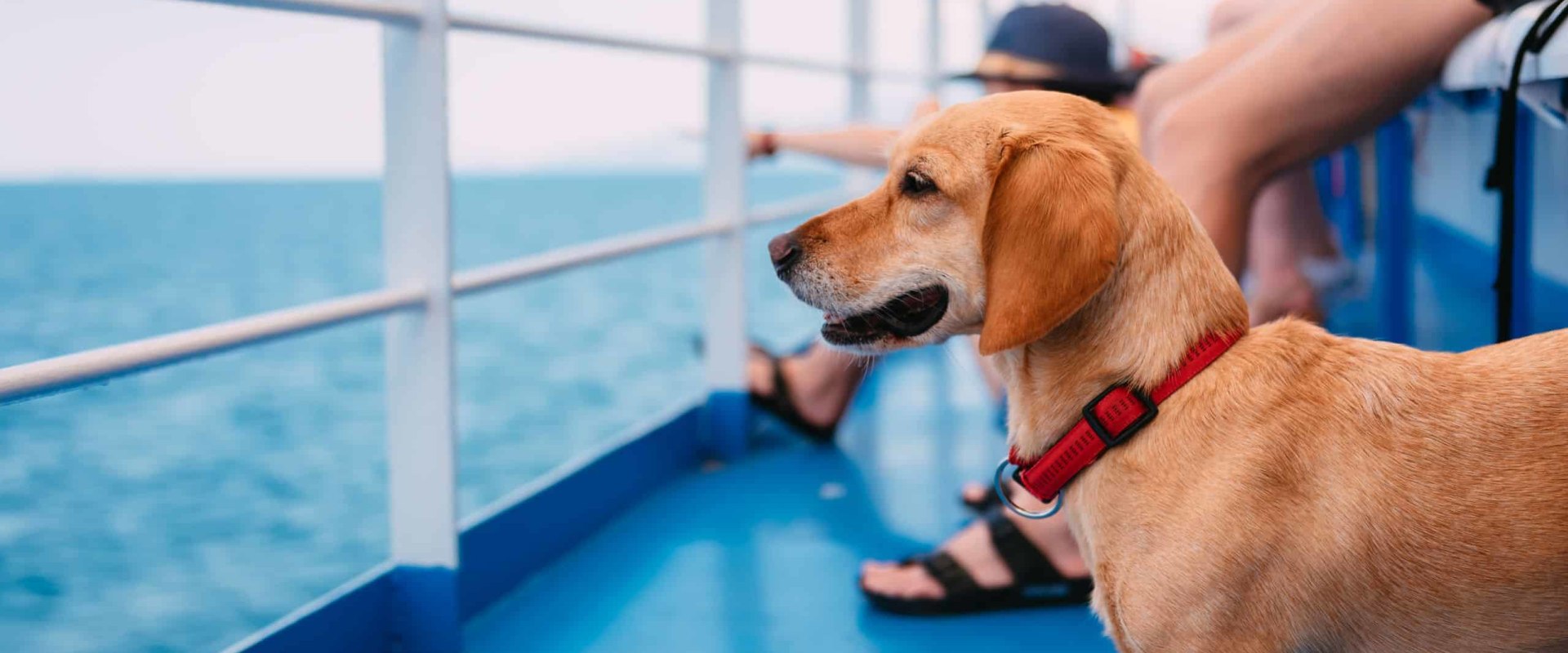
Ferry travel has become an increasingly popular mode of transportation for both locals and tourists alike, offering a unique way to explore coastal regions and islands. With the ability to transport vehicles, passengers, and even pets, ferries provide a convenient alternative to traditional travel methods. The scenic views and the gentle sway of the water create an enjoyable experience that many find appealing. As more people seek adventure beyond the confines of their cars or planes, ferry services have emerged as a favored choice for those looking to combine travel with leisure. For pet owners, the allure of ferry travel is particularly strong.
Many ferry operators recognize the importance of including furry companions in family adventures, allowing pets to accompany their owners on journeys across beautiful waterways. This not only enhances the travel experience but also alleviates the stress of leaving pets behind. However, it is essential for pet owners to be aware of specific pet restrictions that may apply when traveling by ferry. Understanding these regulations is crucial for ensuring a smooth journey. Different ferry services have varying policies regarding pets, including size limitations, designated areas for animals, and requirements for leashes or carriers.
By familiarizing themselves with these guidelines, pet owners can better prepare for their trip and enjoy the freedom that comes with traveling alongside their beloved animals.
General Pet Policies on Ferries
When it comes to ferry travel, understanding the general pet policies is crucial for a smooth journey with your furry companions. While regulations can vary significantly between different ferry services, there are some common rules that many operators tend to follow.Pet Policies on Ferries
typically include the following:- Leash and Carrier Requirements: Most ferries require pets to be kept on a leash or in a carrier while on board. This is to ensure the safety of all passengers and pets.
- Designated Areas: Some ferries have specific areas where pets are allowed. These areas may include outdoor decks or designated pet-friendly cabins.
- Size and Breed Restrictions: Certain ferry services may impose restrictions based on the size or breed of the pet.
Larger breeds might not be permitted in passenger areas, while smaller pets may be allowed in cabins.
- Health and Vaccination Records: It’s advisable to carry your pet’s health records, including vaccination details, as some ferries may request this information before boarding.
- Fees: Be prepared for potential fees associated with bringing your pet on board. Some ferries charge a small fee for pet travel, while others may include it in the ticket price.
By understanding the general policies and preparing accordingly, you can enjoy your ferry travel adventure without any hiccups.
Types of Pets Allowed on Ferries
When planning ferry travel with your furry companions, it's essential to understand the types of pets typically allowed on board. Most ferries accommodate a variety of pets, but regulations can vary significantly between different ferry operators.Dogs on Ferries
Dogs are among the most commonly accepted pets on ferries. However, there are specific guidelines that pet owners must follow:- Leash Requirements: Dogs are usually required to be on a leash at all times while on the ferry.
- Designated Areas: Many ferries have designated areas for dogs, often located on outdoor decks. Some ferries may allow dogs in cabins or specific indoor areas, but this varies by operator.
- Size Restrictions: Some ferries impose size restrictions, allowing only small dogs in passenger areas while larger breeds may need to be transported in a designated pet area or kennel.
- Health Documentation: Certain routes may require proof of vaccination or health certificates, especially for international travel.
Cats on Ferries
Cats are also generally permitted on ferries, though similar rules apply:- Carrier Requirement: Cats must typically be transported in a secure carrier.
This ensures their safety and comfort during the journey.
- Quiet Zones: Some ferries may have quiet zones where cats can remain undisturbed, which is beneficial for nervous pets.
- Health Checks: Just like dogs, cats may require health documentation depending on the ferry's policies and the travel route.
Specific Ferry Lines and Their Pet Policies
When planning ferry travel with pets, it's essential to understand the specific policies of different ferry lines, as they can vary significantly. Here’s a look at some popular ferry services and their pet policies:- Washington State Ferries: This service allows pets on board, but they must be leashed and remain in designated areas. Pets are not allowed in indoor passenger areas unless they are service animals.
- BC Ferries: Pets are welcome on BC Ferries, but they must be kept in vehicles or in designated pet areas.
There are also specific sailings where pets can be on deck, provided they are leashed.
- Staten Island Ferry: This ferry is very pet-friendly, allowing pets to travel for free as long as they are leashed or in carriers. There are no restrictions on the number of pets you can bring.
- Color Line Ferries: On Color Line ferries, pets can travel in cabins or designated pet areas. Owners must book a pet-friendly cabin in advance to ensure availability.
- Fjord Line: Fjord Line allows pets on board but requires them to be kept in carriers or on a leash. There are also specific areas where pets can be taken for walks during the journey.
It's advisable to check the specific policies of the ferry service you plan to use well in advance of your trip. This ensures a smooth and enjoyable experience for both you and your furry companions.
Preparing for Ferry Travel with Pets
Traveling with your furry friends can be a delightful experience, but preparing pets for ferry travel requires careful planning. Here are some essential tips to ensure a smooth journey for both you and your pet.- Check Ferry Policies: Before booking your trip, review the ferry's pet policies. Some ferries have specific restrictions regarding pet sizes, breeds, and whether they can stay in the cabin or must be in a designated area.
- Book in Advance: Make reservations early, as pet-friendly spaces can fill up quickly.
This ensures you have a spot for your pet and avoids last-minute stress.
- Visit the Vet: Schedule a vet appointment before your trip. Ensure your pet is healthy and up-to-date on vaccinations. Ask for a health certificate if required by the ferry service.
- Pack Essentials: Create a ferry travel checklist for pets. Include items like food, water, bowls, leash, waste bags, and any medications your pet may need.
- Comfort Items: Bring along familiar items such as your pet's favorite blanket or toy to help them feel secure during the journey.
- Hydration and Feeding: Keep your pet hydrated throughout the trip.
Offer small meals before boarding to avoid motion sickness.
Frequently Asked Questions About Pets on Ferries
Traveling with your pet on a ferry can be a rewarding experience, but it also raises several questions for pet owners.Here are some of the most frequently asked questions regarding ferry travel with pets:
- Are pets allowed on all ferries? No, not all ferries allow pets. It's essential to check the specific policies of the ferry operator you plan to use. Some ferries may have restrictions based on the type of vessel or the route.
- What types of pets are permitted? Most ferries allow dogs and cats, but some may also permit other small animals. Always verify with the ferry company for their specific guidelines.
- Do I need to book a separate ticket for my pet? In many cases, yes.
Some ferry operators require you to purchase a separate ticket for your pet, while others may charge a fee. Be sure to inquire when making your reservation.
- Can my pet stay in the cabin with me? This varies by ferry service. Some ferries allow pets in cabins, while others may require them to stay in designated areas or kennels during the journey.
- What should I bring for my pet? It's advisable to bring essentials such as a leash, food, water, and any necessary medications. A comfortable carrier or crate is also recommended for safety and comfort.
- Are there any health requirements for traveling with pets? Some ferry operators may require proof of vaccinations or health certificates, especially for international travel.
Check ahead to ensure compliance with all regulations.
Conclusion: Key Takeaways for Pet Owners Traveling by Ferry
Traveling with pets can be a rewarding experience, but it’s essential for pet owners to be aware of the ferry travel regulations that may affect their journey. Here are the key takeaways to keep in mind:- Check Specific Ferry Policies: Each ferry operator has its own set of rules regarding pet travel. Some ferries allow pets in designated areas, while others may require them to be kept in vehicles or in specific pet-friendly cabins.
- Advance Reservations: If you plan to travel with your pet, it’s advisable to make reservations in advance. Many ferries have limited space for pets, and booking early ensures you secure a spot.
- Health and Safety Requirements: Some ferry companies may require proof of vaccinations or health certificates for pets.
Always check the specific requirements well ahead of your travel date.
- Prepare for the Journey: Bring along necessary supplies such as food, water, and a comfortable carrier. Familiarize your pet with the carrier before the trip to reduce anxiety.
- Consider Weather Conditions: Weather can impact your pet’s comfort during ferry travel. Ensure they are adequately protected from extreme temperatures, whether it’s heat or cold.