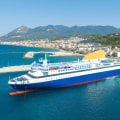
Waterfront facilities are busy environments where transportation, tourism, commerce, and community activities come together every day. Ferry terminals, passenger waiting areas, maintenance docks, and nearby commercial establishments all generate varying amounts of waste that must be managed responsibly to keep operations running efficiently. As ferry travel continues to serve as an essential mode of transportation in many regions, maintaining clean and organized waterfronts has become increasingly important for both operational performance and environmental protection. Effective waste management supports safer passenger experiences, reduces environmental impact, and helps preserve surrounding waterways for future generations. By integrating thoughtful waste disposal strategies into daily operations, waterfront facilities can improve both efficiency and sustainability.
Managing Waste in High-Traffic Ferry Facilities
Ferry terminals experience constant movement of passengers, vehicles, maintenance crews, and vendors throughout the day. This activity naturally generates waste such as packaging materials, food containers, maintenance debris, landscaping waste, and construction materials from ongoing infrastructure improvements. Establishing organized waste collection systems helps prevent clutter from accumulating in high-traffic areas while supporting smooth passenger flow. During larger maintenance projects or terminal renovations, facility managers may coordinate with professional waste management providers such as Cincinnati Dayton Dumpsters LLC to efficiently remove construction debris and bulky materials without disrupting daily ferry operations. Proper waste handling ensures that essential maintenance work can proceed while maintaining a safe and welcoming environment for travelers.
Supporting Environmental Stewardship Along the Waterfront
Protecting waterfront ecosystems requires careful attention to how waste is collected, stored, and disposed of. Improperly managed debris can enter nearby waterways through wind, rainfall, or stormwater runoff, creating risks for aquatic life and water quality. Sustainable waste management practices help minimize these risks by encouraging proper disposal, recycling, and responsible material handling throughout ferry facilities. Recycling stations for passengers, designated containers for maintenance materials, and routine waste collection schedules all contribute to cleaner waterfront environments. Staff training and public education initiatives can further encourage responsible disposal habits, helping both employees and travelers participate in protecting coastal and river ecosystems while supporting environmentally responsible transportation infrastructure.
Improving Operational Efficiency Through Better Coordination
Waste management is most effective when it is integrated into the broader operational planning of ferry terminals. Coordinating waste collection with ferry schedules, maintenance activities, landscaping projects, and facility upgrades minimizes disruptions while improving efficiency. Regular inspections help identify areas where additional waste containers or recycling stations may be needed, while scheduled debris removal prevents unnecessary accumulation. Organized waste management also creates safer working conditions for employees by reducing trip hazards and improving accessibility around docks, maintenance areas, and passenger facilities. These operational improvements contribute to smoother daily activities while enhancing the overall experience for commuters and visitors alike.
Building Cleaner and More Resilient Waterfront Communities
Sustainable waterfront operations depend on balancing transportation efficiency with responsible environmental management. By combining dependable ferry services with well-planned waste management strategies, communities can create cleaner public spaces, protect valuable natural resources, and improve the reliability of essential transportation systems. Investing in organized waste collection, responsible disposal practices, and ongoing facility maintenance supports long-term operational success while demonstrating a commitment to environmental stewardship. As waterfront communities continue to grow and ferry travel remains an important part of regional transportation networks, integrating efficient waste management into everyday operations will help create safer, cleaner, and more resilient environments that benefit passengers, businesses, employees, and surrounding ecosystems for years to come.