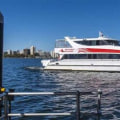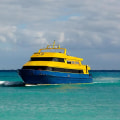
Ferry travel has emerged as a popular and efficient mode of transportation, especially in regions where land routes are limited or non-existent. Ferries provide a unique opportunity to traverse bodies of water, connecting islands, coastal cities, and remote areas with the mainland. This method of travel not only offers a scenic journey but also serves as a vital link for both passengers and vehicles, making it an essential service in many parts of the world.Understanding ferry services is crucial for anyone considering this mode of transport. Ferries come in various sizes and types, accommodating everything from foot passengers to large vehicles like cars and trucks.
The convenience of being able to bring your car on a ferry allows travelers to explore their destination with ease, eliminating the need for additional transportation upon arrival. This aspect of ferry travel enhances the overall experience, providing flexibility and freedom to navigate new places.As you delve deeper into the world of ferry travel, you'll discover that it is not just about crossing water; it's about the journey itself. Many ferry routes offer breathtaking views and opportunities to spot marine wildlife, making the trip memorable. Whether you're planning a short hop across a bay or a longer voyage between islands, understanding the ins and outs of ferry travel will help you make informed decisions about your journey.
Can You Bring Your Car on a Ferry?
When planning your ferry travel, one of the most common questions is, can I bring my car on a ferry? The answer is generally yes, but it depends on the specific ferry service and route you choose.Many ferry operators offer car ferry services that allow passengers to transport their vehicles across bodies of water.Before you book your trip, it's essential to check the policies of the ferry company you plan to use. Here are some key points to consider:
- Availability: Not all ferries accommodate vehicles. Some routes are exclusively for foot passengers, while others have dedicated car ferries.
- Reservations: It's advisable to make a reservation in advance if you intend to bring your car. Popular routes can fill up quickly, especially during peak travel seasons.
- Fees: Be prepared for additional fees associated with bringing your vehicle.
These charges can vary based on the size of your car and the ferry service.
- Loading and Unloading: Familiarize yourself with the loading and unloading procedures. Some ferries may require you to stay in your vehicle during the crossing, while others may allow you to move around.
Types of Ferries That Allow Cars
When planning ferry travel with your vehicle, it's essential to understand the different types of ferries that accommodate cars.These ferries vary in size, purpose, and the services they offer, making it easier for travelers to choose the right option for their journey.
- Car Ferries: These are specifically designed to transport vehicles alongside passengers. Car ferries typically have large decks that can accommodate multiple cars, trucks, and even larger vehicles like RVs. They are commonly used for crossing bodies of water where bridges or tunnels are not available.
- Passenger Ferries: While primarily intended for transporting people, some passenger ferries also allow a limited number of vehicles on board. These ferries are often smaller and may have restrictions on the size and type of vehicles permitted.
It's crucial to check in advance if your vehicle can be accommodated.
- Ro-Ro Ferries (Roll-on/Roll-off): This type of ferry is designed for easy loading and unloading of vehicles. Ro-Ro ferries allow cars to drive directly onto the vessel and off again at the destination, making them a popular choice for transporting goods and personal vehicles alike.
- High-Speed Ferries: These ferries are built for speed and efficiency, often used for shorter routes. While they may not always accommodate larger vehicles, some high-speed ferries do allow cars, so it's worth checking specific routes.
Booking a Ferry with Your Car
Booking a ferry that accommodates your car can seem daunting, but with the right steps, it can be a smooth process.Here’s how to navigate the ferry booking process effectively.
1.Research Ferry Operators:
Start by identifying ferry operators that service your desired route. Many companies offer online booking options, making it easy to compare prices and schedules. Look for operators that specifically mention car transport in their services.
2.Check Availability:
Once you’ve selected a ferry operator, check the availability of spaces for vehicles on your preferred travel dates. Some ferries have limited capacity for cars, especially during peak travel seasons.
3.Make a Reservation:
After confirming availability, proceed to make a reservation.
Most ferry operators allow you to book online, which is often the most convenient option. You will typically need to provide:
- Your travel dates
- The type of vehicle (car, SUV, etc.)
- The number of passengers
4.Payment:
Be prepared to pay for your reservation at the time of booking. Most operators accept various payment methods, including credit cards and PayPal. Keep an eye out for any additional fees related to vehicle size or extra passengers.
5.Confirmation:
After completing your booking, you should receive a confirmation email with all the details of your reservation.
It’s crucial to review this information carefully to ensure everything is correct.
6.Arrive Early:
On the day of travel, arrive at the ferry terminal well in advance of your departure time. This allows ample time for check-in and boarding procedures, which can vary by operator.
7.What to Expect:
When boarding the ferry with your car, follow the instructions provided by the crew. They will guide you on where to park and how to secure your vehicle during transit.By following these steps and tips for making ferry reservations, you can ensure a hassle-free experience while traveling with your car.
Costs and Fees Associated with Bringing a Car on a Ferry
When planning your ferry travel, it's essential to understand the various costs and fees associated with bringing your car on board. These expenses can vary significantly depending on the ferry operator, the route, and the size of your vehicle.Base Fare for Vehicle Transport
The primary cost you will encounter is the base fare for transporting your vehicle.This fee typically depends on the type of vehicle you are bringing. For instance:
- Standard Cars: Most ferries charge a flat rate for standard-sized cars, which can range from $50 to $200.
- SUVs and Trucks: Larger vehicles often incur additional fees, sometimes up to 50% more than standard cars.
- Motorcycles: If you're traveling on two wheels, expect to pay a lower fee, usually between $30 and $100.
Additional Fees
In addition to the base fare, there may be other fees for bringing a car on a ferry. These can include:- Reservation Fees: Some ferry companies charge a fee for making a reservation in advance, which can range from $10 to $30.
- Fuel Surcharges: Depending on fuel prices, some operators may add a fuel surcharge that fluctuates based on current market conditions.
- Toll Fees: If your ferry route includes tolls or additional charges for specific waterways, these costs may be passed on to you.
Discounts and Promotions
Many ferry operators offer discounts or promotions that can help reduce your overall costs. Look out for:- Off-Peak Pricing: Traveling during less busy times can lead to significant savings.
- Round-Trip Discounts: Booking a round trip often comes with a reduced rate compared to one-way fares.
- Membership Programs: Frequent travelers may benefit from loyalty programs that offer discounts or perks.
By planning ahead and researching different ferry operators, you can ensure that your ferry travel experience is both enjoyable and economical.
Preparing Your Car for Ferry Travel
When planning for ferry travel with your car, proper preparation is essential to ensure a smooth journey. Here are some practical tips to help you get ready:- Check Your Vehicle: Before heading to the ferry terminal, conduct a thorough inspection of your vehicle. Check the oil, coolant levels, and tire pressure. Ensure that your brakes are functioning properly and that your lights are working.
- Fuel Up: Make sure your gas tank is at least half full before boarding the ferry.
This not only ensures you have enough fuel for your trip but also helps prevent any issues with fuel lines during the crossing.
- Secure Loose Items: Remove or secure any loose items inside your car. This includes personal belongings, tools, or any other items that could shift during the ferry ride. Consider using a trunk organizer or securing items with bungee cords.
- Pack Smart: If you plan to bring additional items such as bicycles or camping gear, check the ferry's guidelines on what can be transported. Some ferries have restrictions on certain items, so it’s best to confirm in advance.
- Know Your Ferry’s Rules: Familiarize yourself with the specific rules and regulations of the ferry service you will be using.
This includes boarding procedures, safety protocols, and any fees associated with bringing a vehicle on board.
What to Expect During the Ferry Journey with Your Car
Traveling with your car on a ferry can be an exciting experience, but it’s essential to know what to expect during the journey. From the moment you arrive at the terminal to the time you disembark, there are several key aspects to consider.Boarding Procedures
- Upon arrival at the ferry terminal, you will typically check in at a designated area.
Make sure to have your reservation details handy.
- Follow the signs for vehicle boarding, where staff will guide you on where to park your car.
- Once parked, you may need to leave your vehicle and head to the passenger area. Some ferries allow you to stay in your car during the crossing, but this varies by operator.
Onboard Amenities
- Ferries often provide a range of amenities to make your journey comfortable. Expect options such as:
- Seating Areas: Comfortable lounges or designated seating areas where you can relax during the ride.
- Cafeterias or Restaurants: Many ferries offer dining options, allowing you to enjoy a meal or snack while traveling.
- Restrooms: Clean facilities are usually available onboard for passenger convenience.
- Scenic Views: Don’t forget to take advantage of outdoor decks or viewing areas to enjoy the beautiful scenery as you sail.
During the Ferry Ride
The duration of your ferry ride can vary significantly based on the route. Some journeys are short, lasting only 30 minutes, while others may take several hours.
Regardless of the length, it’s a good idea to bring along entertainment options such as books or devices loaded with movies or music.As you travel with your car on a ferry, keep in mind that safety protocols are in place. Listen for announcements regarding safety procedures and be aware of emergency exits. Overall, ferry travel with your vehicle can be a smooth and enjoyable experience if you prepare adequately and understand what to expect during your journey.
Frequently Asked Questions About Ferry Travel with Cars
When planning your ferry travel with a car, you may have several questions. Here are some of the most frequently asked questions to help you prepare for your journey:- Can I bring my car on any ferry?Not all ferries allow vehicles.
It's essential to check with the specific ferry service you plan to use. Some ferries are designed exclusively for passengers, while others accommodate cars, trucks, and even larger vehicles.
- How do I book a ferry for my car?Booking a ferry for your vehicle can typically be done online through the ferry operator's website. Make sure to select the option for vehicle transport when making your reservation.
- Are there size or weight restrictions for vehicles on ferries?Yes, most ferry services have specific size and weight limits for vehicles. Check the ferry operator's guidelines to ensure your vehicle meets their requirements.
- What should I expect during boarding?When boarding, follow the instructions provided by the crew.
You will usually be directed to drive your car onto the ferry in a specific order. Be prepared for potential wait times during peak travel seasons.
- Is there a fee for bringing my car on the ferry?Yes, there is typically an additional fee for transporting a vehicle on a ferry. The cost can vary based on the ferry route and the type of vehicle.
- Can I stay in my car during the crossing?Most ferries require passengers to leave their vehicles during the crossing for safety reasons. However, some ferries may allow you to remain in your car if it is a short trip.
Here are some tips to enhance your journey:
- Arrive Early: Arriving at least 30 minutes before departure can help you avoid last-minute stress.
- Check Weather Conditions: Weather can impact ferry schedules, so it's wise to check forecasts before you travel.
- Pack Essentials: Bring snacks, drinks, and entertainment, especially if you're traveling with children.
Conclusion: Making the Most of Your Ferry Travel Experience
In conclusion, understanding the nuances of ferry travel with your car can significantly enhance your journey. As we have explored, bringing your vehicle on a ferry not only provides convenience but also opens up a world of exploration at your destination. However, it is essential to plan ahead to ensure a smooth experience.Here are some key takeaways to consider:- Check Ferry Policies: Each ferry service has its own rules regarding vehicle transport. Always verify the specific requirements and restrictions of the ferry operator you choose.
- Book in Advance: Popular routes can fill up quickly, especially during peak travel seasons.
Booking your spot ahead of time can save you from last-minute hassles.
- Prepare for Loading and Unloading: Familiarize yourself with the loading procedures and be ready to follow instructions from the crew to ensure safety and efficiency.
- Pack Smart: Utilize your vehicle space wisely. Bring along essentials for the journey, but be mindful of weight limits and space restrictions.
- Enjoy the Journey: Take advantage of the ferry ride itself. Enjoy the views, relax, and make the most of this unique travel experience.