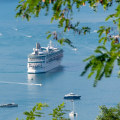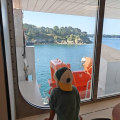
Ferry travel offers a unique and scenic way to traverse waterways, connecting islands, coastal cities, and remote destinations. As you embark on this journey, understanding the nuances of assigned seating can significantly enhance your overall experience. Unlike traditional forms of transportation, ferries often provide a blend of relaxation and adventure, allowing passengers to enjoy breathtaking views while comfortably seated. When planning your ferry trip, it’s essential to consider how seating arrangements can impact your comfort and enjoyment. Some ferries operate on a first-come, first-served basis, while others may offer assigned seating, ensuring that you have a designated spot for the duration of your voyage.
This can be particularly beneficial during peak travel seasons when ferries are bustling with passengers eager to reach their destinations. Understanding the ferry experience goes beyond just getting from point A to point B; it encompasses the entire journey. From the moment you board, the seating arrangement plays a crucial role in how you perceive your trip. Whether you prefer a cozy corner seat with panoramic views or a more social atmosphere in the main cabin, knowing your options can help you make informed decisions that cater to your preferences.
What is Ferry Travel?
Ferry travel is a unique and efficient mode of transportation that allows passengers and vehicles to cross bodies of water, such as rivers, lakes, and seas. Ferries are particularly popular in regions where bridges or tunnels are impractical or too costly to construct.They serve as a vital link between islands, coastal towns, and mainland cities, making them an essential part of the transportation infrastructure.There are several types of ferries that cater to different needs:
- Passenger Ferries: These ferries primarily transport people and may offer amenities such as seating areas, restrooms, and food services.
- Vehicle Ferries: Designed to carry cars, trucks, and other vehicles, these ferries often have large decks to accommodate various types of transportation.
- Cargo Ferries: These vessels focus on transporting goods and freight rather than passengers, playing a crucial role in commercial shipping.
- High-Speed Ferries: Equipped with advanced technology, these ferries can travel at much higher speeds than traditional ferries, reducing travel time significantly.
Whether you're commuting daily or embarking on a leisurely journey, understanding the different types of ferries and their services can enhance your travel experience.
Understanding Assigned Seating on Ferries
When it comes to ferry travel, one common question that arises is whether there is assigned seating on ferries. The answer varies significantly depending on the ferry service and the specific route. Some ferries do offer assigned seating, while others operate on a first-come, first-served basis.Understanding Ferry Seating Arrangements
Ferries that provide assigned seats typically do so to enhance passenger comfort and ensure a smoother boarding process. This system allows travelers to select their seats in advance, either during the booking process or at check-in.
Assigned seating can be particularly beneficial during peak travel times, as it helps manage the flow of passengers and reduces the chaos often associated with boarding.On the other hand, many ferry services opt for a more flexible approach, allowing passengers to choose their seats upon boarding. This method can create a more casual atmosphere but may lead to overcrowding in popular areas of the ferry, such as lounges or outdoor decks.
- Ferries with Assigned Seating: These ferries often include amenities such as reserved lounges or premium seating options that come with additional perks.
- Ferries without Assigned Seating: Passengers are encouraged to arrive early to secure a good spot, especially during busy travel seasons.
Do All Ferries Offer Assigned Seating?
When it comes to ferry travel, one common question that arises is whether all ferries offer assigned seating.The answer is not straightforward, as it largely depends on the ferry company and the specific route being traveled.Many major ferry operators do provide assigned seating, particularly on longer routes where passenger comfort is a priority. For instance, ferries that operate between islands or across large bodies of water often have designated seats to ensure that travelers can enjoy a more organized and comfortable experience. This is especially true during peak travel seasons when demand is high.
Ferries with Assigned Seating
- BC Ferries: Known for their extensive network in British Columbia, they offer assigned seating on many of their routes, allowing passengers to reserve their spots in advance.
- Staten Island Ferry: While primarily a commuter service, this ferry does not have assigned seating, but it provides ample space for passengers to find a seat.
- Washington State Ferries: This service offers both reserved and non-reserved seating options, giving travelers flexibility based on their preferences.
Ferry Seating Policies
It's essential to check the seating policies of the specific ferry service you plan to use.Many companies provide detailed information on their websites regarding whether they offer assigned seating and how reservations can be made. Additionally, some ferries may allow for upgrades to premium seating areas for an extra fee, enhancing the travel experience.In summary, while many ferries do offer assigned seating, it varies significantly by company and route. Always verify with your chosen ferry operator to understand what to expect during your ferry travel.
Benefits of Assigned Seating on Ferries
When it comes to ferry travel, the choice of seating can significantly impact your overall experience. One of the most notable advantages of having assigned seating on ferries is the enhanced comfort it provides.Passengers can select their preferred seats in advance, ensuring they have a spot that meets their needs, whether it's a window view or extra legroom.Another key benefit is the convenience of knowing exactly where you will sit. This eliminates the stress of rushing to find a good seat upon boarding, especially during peak travel times when ferries can be crowded. With assigned seating, you can arrive at your leisure, confident that your place is secured.
- Improved Organization: Assigned seating helps ferry operators manage passenger flow more effectively, leading to a smoother boarding process.
- Enhanced Safety: In case of emergencies, having designated seats allows for quicker evacuations and better accountability for passenger counts.
- Better Social Arrangements: If you're traveling with family or friends, assigned seating ensures you can sit together without the hassle of saving seats.
This predictability can make your journey more enjoyable, as you can settle in and relax without worrying about finding a suitable spot.In summary, choosing assigned seating on ferries offers numerous benefits that enhance the overall travel experience. From comfort and convenience to improved organization and safety, these advantages make it a compelling option for anyone considering ferry travel.
How to Secure Your Seat on a Ferry
When it comes to ferry travel, securing your seat can make a significant difference in your overall experience. Here are some practical tips to help you book and secure your ferry seats effectively.How to Book Ferry Seats
Booking your ferry seats in advance is crucial, especially during peak travel seasons. Most ferry operators offer online booking options, which allow you to select your desired route, date, and time.Here’s how to navigate the booking process:
- Visit the Ferry Operator's Website: Start by visiting the official website of the ferry service you plan to use. Look for a section dedicated to reservations or ticket booking.
- Select Your Route: Choose your departure and arrival points, along with the date and time of travel.
- Choose Your Seat: If assigned seating is available, you will typically have the option to select specific seats during the booking process.
- Complete Your Payment: After selecting your seats, proceed to payment. Ensure you receive a confirmation email with your booking details.
Securing Ferry Tickets
To ensure you have a seat on busy routes, consider these additional tips:- Book Early: The earlier you book, the better your chances of securing a seat, especially during holidays or weekends.
- Check for Discounts: Some ferry companies offer discounts for early bookings or group travel. Always check for promotional codes or special offers.
- Be Flexible: If possible, be flexible with your travel dates and times.
Traveling during off-peak hours can increase your chances of finding available seats.
Ferry Reservation Tips
Avoid common pitfalls by following these reservation tips:- Read the Fine Print: Understand the cancellation and refund policies before finalizing your booking.
- Keep Your Confirmation Handy: Always save a copy of your booking confirmation on your phone or print it out for easy access.
- Arrive Early: Arriving at the terminal early can help you avoid last-minute stress and ensure you have enough time to board.
FAQs About Ferry Seating Arrangements
When it comes to ferry travel, many passengers have questions about seating arrangements. Here are some of the most frequently asked questions regarding ferry seating policies:- Is there assigned seating on ferries?
Most ferries operate on a first-come, first-served basis, meaning that there is typically no assigned seating. Passengers are encouraged to arrive early to secure their preferred seats, especially during peak travel times. - Can I reserve a seat in advance?
Some ferry operators do offer the option to reserve seats in advance, particularly for popular routes or during busy seasons. It’s advisable to check with your specific ferry service for availability and policies. - What types of seating are available?
Ferries usually provide a variety of seating options, including indoor lounges, outdoor decks, and sometimes premium seating areas.The availability of these options can vary by ferry line.
- Are there accommodations for special needs?
Yes, most ferry services are equipped to accommodate passengers with disabilities. This includes accessible seating and facilities. It’s best to inform the ferry operator in advance if you require special assistance. - Can I change my seat once on board?
Generally, passengers can move around and choose different seats once they are on board, as long as they do not occupy reserved or premium areas without permission.
Conclusion: Making the Most of Your Ferry Travel Experience
In conclusion, understanding the nuances of ferry travel can significantly enhance your journey.While many ferries offer assigned seating, others operate on a first-come, first-served basis. Knowing this can help you plan your trip more effectively and ensure a comfortable experience.Here are some key takeaways to consider:
- Check the ferry's policy: Before booking your tickets, always verify whether the ferry you plan to take has assigned seating. This information is typically available on the ferry operator's website.
- Arrive early: If your ferry does not have assigned seating, arriving early can secure you a better spot, especially during peak travel times.
- Consider your needs: If traveling with family or pets, look for ferries that offer designated areas or seating arrangements that cater to your needs.
- Be flexible: Sometimes, the best experiences come from unexpected seating arrangements. Embrace the journey and enjoy the views from different parts of the ferry.
By understanding the seating policies and planning accordingly, you can focus on what truly matters: enjoying the scenic views and making lasting memories on your journey.