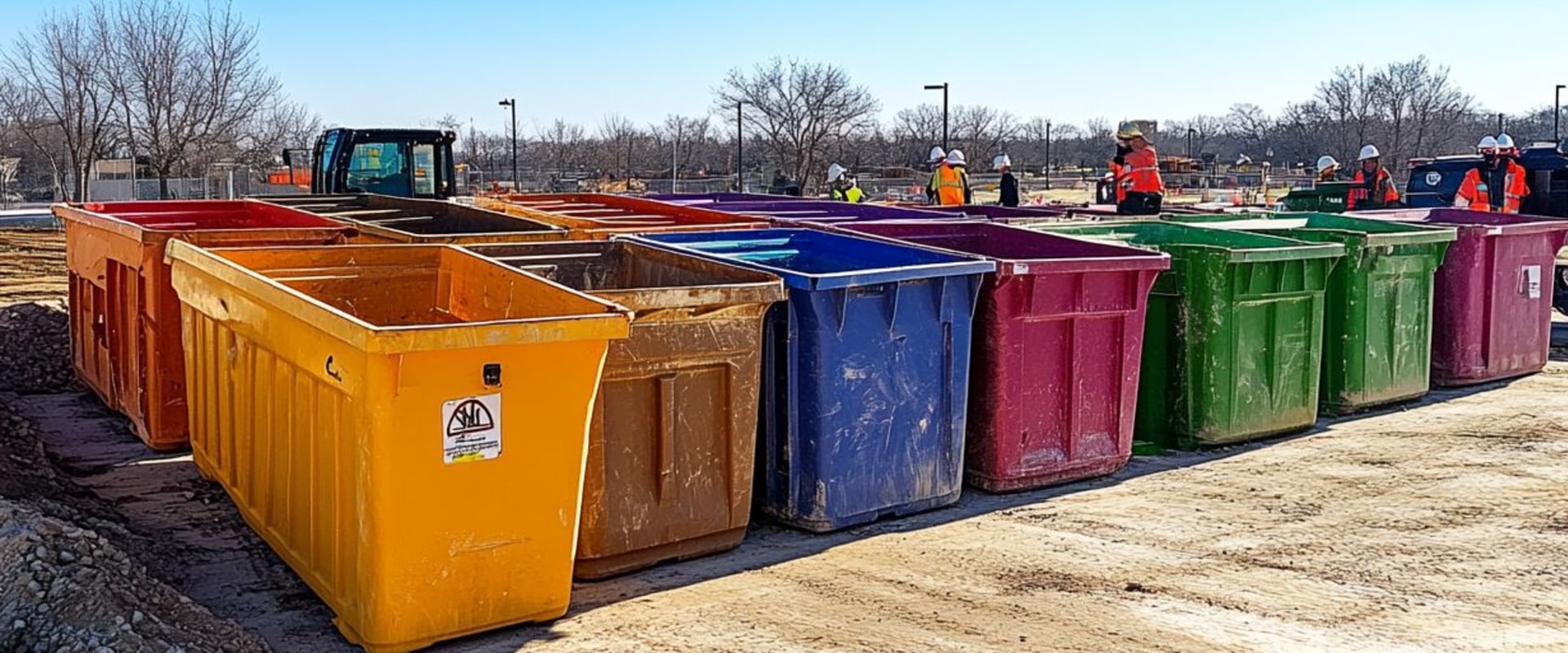
Ferry terminals are busy transportation hubs that serve thousands of passengers, commercial vehicles, and freight shipments every day. When renovation projects, infrastructure upgrades, or maintenance work take place in these high-traffic areas, construction debris can quickly become a significant operational challenge. Materials such as broken concrete, old lumber, scrap metal, drywall, packaging, and discarded fixtures must be removed promptly to prevent congestion and maintain safe access for travelers and workers. Unlike isolated construction sites, ferry terminals have limited space and continuous public activity, making organized waste management essential. Proper planning helps contractors minimize disruptions while ensuring construction projects remain on schedule without interfering with daily ferry operations.
Planning Waste Removal Before Construction Begins
Successful debris management starts long before demolition or construction activities begin. Project managers should estimate the types and volume of waste expected throughout each phase of the project and develop a disposal strategy that aligns with construction timelines. Selecting appropriately sized containers prevents overflow while reducing unnecessary hauling trips that may interrupt work. Dumpster placement also deserves careful consideration, as containers should be positioned where crews can easily dispose of materials without blocking vehicle lanes, pedestrian walkways, emergency routes, or loading areas. Coordinating waste removal schedules with periods of lighter terminal traffic can further improve efficiency while minimizing inconvenience for passengers and transportation staff.
Keeping Ferry Operations Safe and Organized
Construction work at ferry terminals often occurs alongside active transportation services, requiring careful coordination between contractors and terminal operators. Debris left in work zones or staging areas can create tripping hazards, obstruct maintenance equipment, or reduce visibility for vehicles moving throughout the facility. Maintaining organized disposal practices allows construction crews to remove waste continuously instead of allowing piles of debris to accumulate over several days. Partnering with dependable providers such as JBE Rolloffs supports these efforts by ensuring rolloff dumpsters are delivered, exchanged, and removed according to project schedules, helping contractors maintain clean worksites while reducing unnecessary interruptions to ferry operations. An orderly construction environment not only enhances workplace safety but also projects a more professional appearance for visitors using the terminal throughout the duration of the project.
Supporting Environmental Responsibility
Many ferry terminals operate in environmentally sensitive waterfront locations where responsible waste handling is especially important. Construction debris that is improperly stored or exposed to weather conditions can result in materials being blown or washed into nearby waterways, creating pollution and environmental concerns. Proper containment through rolloff dumpsters reduces the likelihood of debris escaping the worksite while simplifying waste collection and transportation. Separating recyclable materials whenever possible also supports sustainability initiatives by diverting usable resources away from landfills. Careful debris management demonstrates a commitment to environmental stewardship while helping contractors comply with local regulations governing waste disposal near coastal or marine environments.
Improving Project Efficiency Through Better Waste Management
Well-organized debris removal contributes directly to smoother construction workflows and improved project performance. Crews spend less time transporting waste manually across the site when disposal containers are strategically located, allowing them to focus more on productive tasks. Clean work areas also make it easier for inspectors, subcontractors, delivery personnel, and terminal employees to move safely throughout the project. As construction progresses, scheduled dumpster exchanges help prevent overflowing containers that could delay operations or require emergency cleanups. By incorporating rolloff dumpster planning into the overall construction strategy, contractors can improve productivity, reduce safety risks, maintain public accessibility, and support uninterrupted ferry terminal operations. Efficient debris management ultimately helps infrastructure improvement projects stay organized from start to finish while creating safer, cleaner, and more efficient transportation facilities for both workers and the traveling public.