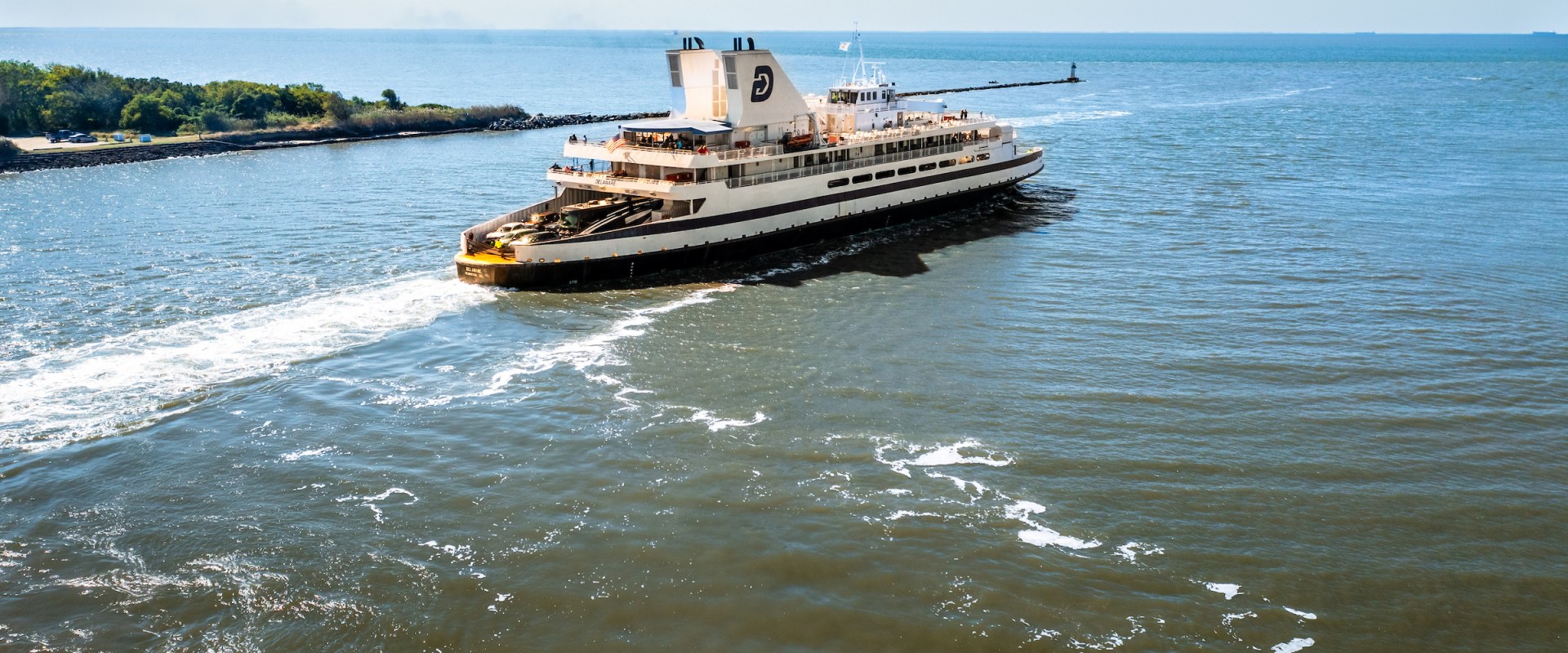
Ferry travel has become an increasingly popular mode of transportation, especially in regions where water bodies serve as natural barriers. This unique form of travel allows passengers to traverse rivers, lakes, and seas, connecting communities and offering scenic views that are often unmatched by land routes. Whether it’s a short trip across a bay or a longer journey between islands, ferry trips provide not only a means of transport but also an experience that can be both relaxing and enjoyable. Understanding ferry travel is essential for anyone looking to explore coastal areas or island destinations. Ferries are designed to accommodate various types of vehicles and passengers, making them a versatile option for travelers.
They often serve as lifelines for remote communities, providing essential services and facilitating tourism. The significance of ferries in transportation cannot be overstated; they help reduce road congestion and offer an alternative route that can be more efficient in certain circumstances. As you consider your next adventure, it’s important to recognize the role that ferry travel can play in your itinerary. With the growing popularity of this mode of transport, understanding the logistics—such as whether reservations are necessary—can enhance your travel experience. In the following sections, we will delve deeper into the specifics of ferry trips, including tips on how to navigate the reservation process effectively.
The Importance of Reservations in Ferry Travel
When planning a ferry trip, making reservations can significantly enhance your travel experience.While some travelers may consider it optional, the benefits of securing a spot in advance are numerous and can save you from potential hassles.
Why Make Ferry Reservations?
- Guaranteed Spot: One of the primary reasons to make a reservation is to ensure you have a guaranteed spot on the ferry. During peak travel seasons or weekends, ferries can fill up quickly, leaving walk-up passengers with no option but to wait for the next available sailing.
- Avoid Long Wait Times: Reservations allow you to bypass long lines at the terminal. Instead of waiting in line for hours, you can arrive closer to your departure time, making your travel experience more efficient.
- Better Planning: Knowing your departure time in advance helps you plan your itinerary more effectively. You can coordinate other aspects of your trip, such as accommodations and activities, around your ferry schedule.
Benefits of Ferry Reservations
- Cost Savings: Some ferry operators offer discounts for early bookings.
By reserving your spot ahead of time, you may take advantage of lower fares compared to purchasing tickets on the day of travel.
- Peace of Mind: Having a reservation provides peace of mind, knowing that your travel plans are secure. This is especially important for those traveling with families or on tight schedules.
- Flexibility: Many ferry companies offer flexible cancellation policies for reservations, allowing you to adjust your plans if necessary without incurring hefty fees.
When Are Reservations Necessary?
When planning your ferry travel, understanding when to make reservations can significantly enhance your experience.Certain scenarios necessitate securing a spot in advance to avoid disappointment.
Peak Seasons for Ferry Travel
During peak seasons, such as summer vacations and major holidays, ferry services often experience a surge in demand. Popular routes, especially those connecting tourist destinations, can fill up quickly. For instance, if you’re traveling to islands or coastal areas during the summer months, it’s advisable to book your ferry tickets ahead of time. This not only guarantees your passage but also allows you to choose preferred departure times.Busy Ferry Routes
Some ferry routes are inherently busier than others due to their popularity or limited service frequency.For example, routes that connect major cities or popular tourist attractions typically require reservations, especially on weekends and holidays. If you’re planning to travel on a well-frequented route, such as those between mainland and island destinations, making a reservation is highly recommended.
Special Events and Holidays
Events such as festivals, concerts, or sporting events can also lead to increased ferry traffic. If your travel dates coincide with such events, it’s wise to secure your reservation early. Additionally, holiday weekends often see a spike in travelers; thus, booking in advance can save you from long wait times or being turned away.In summary, while not every ferry travel scenario requires a reservation, being aware of peak seasons and busy routes can help you make informed decisions.Always check the specific ferry service’s policies and consider booking ahead during high-demand periods to ensure a smooth journey.
How to Make Ferry Reservations
Making ferry reservations is a straightforward process that can enhance your travel experience by ensuring you have a spot on your desired ferry. Here’s a step-by-step guide to help you navigate the ferry booking process.1.Research Ferry Operators
Start by identifying the ferry operators that service your route. Popular companies often have user-friendly websites where you can find schedules, prices, and available amenities.2.Choose Your Travel Dates
Decide on your travel dates and times. Keep in mind that weekends and holidays may see higher demand, so booking in advance is advisable.3.Visit the Ferry Operator's Website
Most ferry companies offer an online booking system.Navigate to the reservations or booking section of their website. Here, you can enter your travel details, including:
- Departure and arrival locations
- Date and time of travel
- Number of passengers
- Vehicle information, if applicable
4.Select Your Ferry and Seats
After entering your details, browse through the available ferries. Some operators allow you to choose specific seats or cabins, which can enhance your comfort during the journey.5.Complete Your Booking
Once you’ve made your selections, proceed to checkout. You will typically need to provide personal information such as:- Name and contact information
- Payment details
6.Confirmation and Ticket Retrieval
After completing your booking, you should receive a confirmation email with your ticket details.Depending on the operator, you may need to print your ticket or show it on your mobile device at the terminal.
Alternative Booking Options
If you prefer not to book online, many ferry operators also allow for in-person reservations. You can visit their ticket offices at ferry terminals or authorized agents to secure your tickets.Tip:
Always check the cancellation policy before booking, as this can save you from unexpected fees if your plans change.
Alternatives to Making Reservations
For travelers who prefer not to make reservations for their ferry travel, there are several viable alternatives that can still provide a smooth journey. Understanding these options can help you navigate your trip more flexibly.Walk-On Ferry Passengers
Many ferry services accommodate walk-on passengers, allowing individuals to board without a prior reservation. This option is particularly popular among day-trippers and those traveling light.However, it’s essential to arrive early, as space for walk-on passengers can be limited, especially during peak travel seasons or weekends.
Standby Ferry Travel
If you’re unable to secure a reservation, standby travel is another alternative. This option allows you to wait for available spots on a ferry that may not be fully booked. Here’s how it typically works:- Arrive Early: Get to the terminal well in advance of the scheduled departure time.
- Check Availability: Speak with the ferry staff about standby options and any potential wait times.
- Be Prepared: Have a flexible schedule, as you may need to wait for the next available ferry.
Frequently Asked Questions About Ferry Reservations
When planning your ferry travel, you may have several questions regarding the necessity of making reservations.Here are some common inquiries and their answers to help you navigate the process.
Do I need a reservation for a ferry?
Whether you need a reservation for a ferry largely depends on the specific route and the ferry operator. Some ferries, especially those that operate on popular routes during peak seasons, strongly recommend or even require reservations to ensure you have a spot. On the other hand, less busy routes may allow walk-on passengers without prior booking.What are the benefits of making a reservation?
- Guaranteed Spot: Making a reservation ensures that you have a place on the ferry, especially during busy travel times.
- Better Planning: Reservations allow you to plan your trip more effectively, knowing exactly when you will depart and arrive.
- Potential Discounts: Some ferry operators offer discounts for early bookings, which can save you money.
What happens if I don’t make a reservation?
If you choose not to make a reservation, be prepared for the possibility of not being able to board the ferry, especially during peak travel times. Additionally, you may face longer wait times as walk-on passengers are accommodated after those with reservations.Can I change or cancel my reservation?
Most ferry operators allow changes or cancellations to reservations, but policies vary.It’s essential to check the specific terms and conditions of your ferry service. Some may charge fees for changes or cancellations, while others might offer flexibility.In summary, while it’s not always necessary to make a reservation for ferry travel, doing so can enhance your experience by providing peace of mind and ensuring your travel plans go smoothly. Always check with your specific ferry operator for their policies and recommendations.
Conclusion: Making the Right Choice for Your Ferry Trip
In conclusion, the decision to make reservations for your ferry trip is influenced by several factors that cater to your individual travel needs. Throughout this article, we have explored the various aspects of ferry travel, emphasizing the importance of planning ahead.Key considerations include:
- Travel Season: During peak seasons, such as summer or holidays, ferries can fill up quickly.
Making a reservation ensures you secure your spot and avoid disappointment.
- Traveling with a Vehicle: If you plan to take a car or other vehicle on board, reservations are often necessary. Many ferry services have limited space for vehicles, making it crucial to book in advance.
- Group Travel: Traveling with a large group can complicate logistics. Reservations help manage seating arrangements and ensure everyone can travel together.
- Flexibility: Some ferry operators offer flexible booking options that allow changes or cancellations. This can be beneficial if your plans are subject to change.
If you value peace of mind and want to guarantee your place on the ferry, especially during busy times, making a reservation is advisable. On the other hand, if you are traveling during off-peak times and prefer spontaneity, you might opt for a more flexible approach.By weighing these factors carefully, you can make an informed decision that enhances your ferry travel experience and ensures a smooth journey ahead.