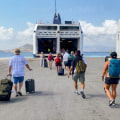
Traveling by ferry can be convenient for reaching islands, coastal towns, and destinations separated by water, but managing extra belongings requires careful preparation. Whether traveling for a vacation, relocation, work assignment, or extended stay, passengers often have more possessions than they can comfortably carry onboard. Before departure, review the ferry operator’s policies for luggage, vehicles, prohibited items, and oversized cargo. Knowing these restrictions in advance can help you decide what should travel with you and what should remain behind temporarily. Separating belongings into essential, valuable, bulky, and nonessential categories can also simplify packing and reduce the risk of carrying unnecessary items through busy ferry terminals.
Keep Important Items With You
Certain belongings should remain in your personal possession throughout the journey whenever possible. Passports, identification documents, medications, electronics, wallets, keys, tickets, and valuable jewelry should be packed in a secure carry-on bag. Choose a bag with dependable closures and keep it close while waiting in terminals or moving through passenger areas. Avoid placing irreplaceable items in luggage that will be stored in a vehicle or another location where access may be limited. Some ferries restrict passengers from returning to vehicle decks while the vessel is underway, so anything needed during the crossing should be removed from the vehicle before boarding.
Consider Temporary Space for Extra Possessions
If you are traveling for an extended period or relocating gradually, bringing every possession on the ferry may not be practical. Furniture, seasonal decorations, sports equipment, household supplies, and other bulky items can add unnecessary complexity to the trip. Temporary facilities may provide a useful solution for belongings that need to remain behind until you return or arrange another method of transportation. Resources such as www.safestorageclub.com can be considered when researching options for keeping possessions organized outside the home. When evaluating a facility, look at security measures, access procedures, unit conditions, operating hours, and whether climate-controlled options are available for sensitive belongings.
Pack and Label Items Carefully
Proper packing adds another layer of protection for possessions that will either travel with you or remain elsewhere. Use durable boxes or containers that can withstand stacking and repeated handling. Fragile belongings should be wrapped individually and cushioned to prevent movement inside boxes. Clearly label containers according to their contents and destination, but avoid writing descriptions that reveal valuable items. A simple numbering system can be particularly effective. For example, label boxes with numbers and maintain a separate inventory showing what each number contains. This approach helps keep possessions organized without advertising the contents to others.
Secure Belongings Inside Your Vehicle
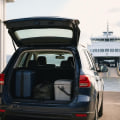
Passengers bringing a car, van, or other vehicle onto the ferry should organize belongings carefully before reaching the terminal. Heavy objects should be positioned securely so they cannot shift during the crossing. Keep luggage out of plain sight when possible, especially if the vehicle contains electronics or other valuable possessions. Doors and windows should be locked before leaving the vehicle deck. Travelers should also avoid leaving important documentation or essential travel items inside the vehicle because access could be restricted until the ferry approaches its destination.
Maintain an Inventory
Creating an inventory is especially helpful when belongings are divided between luggage, a vehicle, and temporary space. Photographs can provide an additional record of valuable or fragile items before departure. Keep digital copies of important records so they remain accessible even if paperwork is misplaced. For longer trips, periodically review what is being kept and determine whether every item still needs to remain there.
Travel With Greater Peace of Mind
Keeping extra belongings secure during ferry travel comes down to preparation, sensible packing, and careful decisions about what needs to accompany you. By keeping valuables nearby, protecting packed items, securing vehicle contents, and arranging appropriate space for possessions left behind, travelers can reduce unnecessary risks. A little organization before departure can make the ferry journey easier while ensuring belongings remain protected until they are needed again.